 savingsspot.co.uk
 In an era where the cost of living dominates the national conversation, finding effective ways to stretch the household budget is no longer just a hobby; for many across the United Kingdom, it is an absolute necessity. Gone are the days when actively seeking out discounts was seen as penny-pinching. Today, leveraging shopping vouchers is the hallmark of a savvy consumer. Whether you are navigating the bustling high street, managing the weekly supermarket run, or browsing digital storefronts from the comfort of your living room, understanding how to strategically deploy vouchers can lead to substantial financial benefits.
However, the landscape of discounts has evolved dramatically. The straightforward paper slips clipped from the Sunday supplements have largely been replaced by a complex ecosystem of dynamic promo codes, cashback incentives, app-based loyalty schemes, and digital wallets. To truly benefit from this modern marketplace, one must approach shopping vouchers not just with enthusiasm, but with a strategic mindset. This article explores the mechanics of shopping vouchers, the psychological triggers they employ, and the advanced tactics you can use to protect your hard-earned pounds.
From Paper Clippers to Digital Wallets: A Brief History

To understand the current state of shopping vouchers, it is worth looking back at their origins. The concept of the consumer coupon is widely attributed to the Coca-Cola Company, which in 1887 distributed handwritten tickets offering a free glass of their new beverage. This brilliant marketing strategy shifted an unprecedented volume of product and established a new paradigm in consumer relations. If you give the customer a perceived financial advantage, they will cross the threshold of your store.
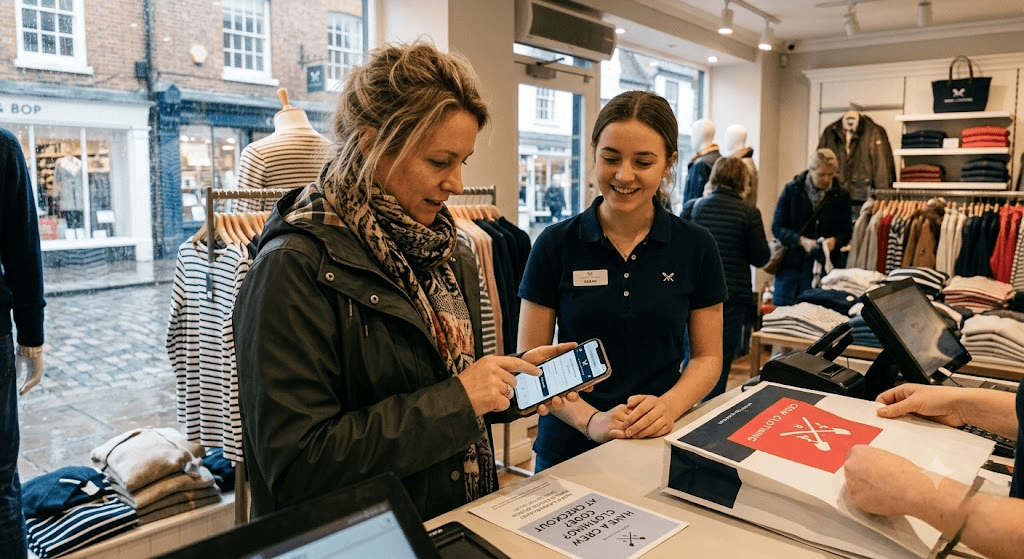
In the UK, the post-war era saw a boom in catalogue shopping and physical loyalty stamps, such as the famous Green Shield Stamps, which shoppers would painstakingly collect and paste into books to redeem for household goods. This analogue method of rewarding loyalty and offering discounts laid the groundwork for the modern voucher system. Fast forward to the digital age, and the mechanism has been entirely transformed. The friction of carrying paper coupons has been eliminated, replaced by smartphone applications that can instantly apply a barcode at the till or auto-fill a promotional code during an online checkout. Yet, the underlying principle remains identical: incentivising behaviour through perceived financial gain.
Categorising the Modern Shopping Voucher
The term “voucher” is often used as a catch-all, but the modern UK retail environment features several distinct categories, each requiring a different approach to maximise value.
- The Promotional Discount Code: This is the most common digital voucher. Usually consisting of a string of letters and numbers (e.g., SAVE20), it is entered at the checkout to apply a percentage or fixed-amount discount. Retailers frequently use these to push slow-moving stock, acquire new customers, or incentivise larger basket sizes.
- Supermarket Loyalty Vouchers: The UK is home to some of the most sophisticated supermarket loyalty programmes in the world. Schemes like Tesco Clubcard, Sainsbury’s Nectar, and M&S Sparks track your purchasing behaviour to offer highly targeted vouchers. These are no longer just random discounts; they are algorithmic responses to your historical shopping habits.
- Cashback-Linked Gift Vouchers: A rapidly growing trend involves purchasing digital gift cards through cashback applications. Services like JamDoughnut or TopCashback allow you to buy a voucher for a retailer and instantly receive a percentage of the purchase price back. This effectively creates an instant discount, even on items that are rarely put on sale.
- The Apology Voucher: Often overlooked, customer service departments frequently issue goodwill vouchers to resolve complaints. Whether it is a delayed train, a missing grocery item, or poor service at a restaurant, companies rely on these digital peace offerings to retain customer loyalty following a service failure.
The Psychology Behind the Discount
Why do highly profitable corporations willingly hand out vouchers? The answer lies in behavioural economics and consumer psychology. Retailers understand that human beings are not strictly rational actors when it comes to money. We are driven by emotion, and scoring a discount provides a genuine rush of dopamine.
Nobel Prize-winning economist Richard Thaler coined the term “transactional utility” to describe this phenomenon. Transactional utility refers to the perceived value of the deal itself, separate from the actual utility of the item being purchased. In simpler terms, we often buy things we do not explicitly need simply because the voucher makes the transaction feel like a triumph. We feel smart, resourceful, and victorious over the retailer.
Furthermore, vouchers are powerful tools for overcoming “basket abandonment.” In e-commerce, a significant percentage of shoppers add items to their digital trolley, only to close the tab when confronted with the final total, particularly when shipping fees are added. A well-timed pop-up offering a 10% off voucher or free delivery is often the exact psychological nudge required to convert a hesitating browser into a paying customer. By understanding that vouchers are designed to manipulate your spending behaviour, you can flip the script and use them strictly on your own terms.
Advanced Tactics for the Savvy British Shopper
Securing a basic 5% off code is relatively straightforward, but the true art of the voucher lies in advanced application. Here are several strategies employed by the most successful bargain hunters in the UK.
The Art of Voucher Stacking
Voucher stacking is the Holy Grail of modern shopping. It involves combining multiple discount methods on a single transaction. While many retailers clearly state “cannot be used in conjunction with any other offer,” there are often loopholes in how different systems interact. For example, you might wait for a retailer’s seasonal clearance sale. You then find an active promotional code that works on clearance items. Finally, instead of paying with your debit card, you purchase a digital gift voucher through a cashback app to cover the exact total. By combining a sale, a promo code, and a cashback voucher, you have effectively stacked three separate discounts, often reducing the original price by over 50%.
The Abandoned Basket Strategy
This is a digital tactic that requires a little patience but frequently yields excellent results. Log into an online retailer, add the items you genuinely wish to purchase to your basket, and proceed to the checkout phase so the retailer captures your email address. Then, simply close the window. Because retailers desperately want to recover lost sales, their automated marketing systems will often send you a follow-up email within 24 to 48 hours. This email typically starts with a gentle reminder (“Did you forget something?”) and, if ignored, is often followed by a second email containing a unique, single-use voucher code to entice you back to complete the purchase.
Strategic Newsletter Management
Almost every brand offers a discount—typically between 10% and 15%—for subscribing to their email newsletter. Savvy shoppers manage this by maintaining a secondary, dedicated email address specifically for retail newsletters. This prevents your primary inbox from being flooded with daily marketing material. When you need to make a purchase, you can sign up using this secondary email, secure the welcome voucher, and use it immediately. Some shoppers take this a step further by using “burner” email services for single purchases, though retailers are becoming increasingly adept at blocking these temporary domains.
The Secondary Market: Liquidating Unwanted Vouchers
Millions of pounds worth of gift vouchers go unredeemed in the UK every year. They sit in wallets and kitchen drawers, slowly losing their value to inflation, until they inevitably expire. This represents a massive source of pure profit for retailers, known in the industry as “breakage.”
If you receive a gift voucher for a shop you never visit, do not let it expire. The UK has a thriving secondary market for gift cards. Websites and platforms exist where you can sell your unwanted digital and physical vouchers for cash. While you will not receive 100% of the face value—typically, you might get between 75% and 85% depending on the desirability of the brand—liquid cash is always more useful than a voucher you will never spend. Conversely, these platforms are excellent places to buy vouchers at a discount if you know you are about to make a large purchase at a specific retailer.
Navigating the Pitfalls and Hidden Traps
While vouchers offer incredible utility, they are not without their dangers. Retailers are masters of designing offers that look generous but ultimately serve their bottom line. It is crucial to read the terms and conditions meticulously.
The most common trap is the minimum spend threshold. A voucher offering “£20 off” sounds fantastic, until you realise the fine print demands a £100 minimum spend. If your original intention was to spend £50, the voucher has successfully coerced you into spending double your budget. You have not saved £20; you have spent an extra £30.
Expiry dates are another major hurdle. Digital promo codes can expire within hours, creating a false sense of urgency that forces rushed purchasing decisions. Physical and digital gift vouchers often carry a 12-to-24-month expiry, after which the funds are legally seized by the retailer. Always treat a voucher like perishable goods; use it promptly or liquidate it on a secondary market.
Finally, beware of inflated pricing. Certain retailers are notorious for raising the base price of their goods immediately before launching a “massive voucher code” campaign. The final price with the voucher often mirrors the standard price from the previous week. Using independent price-tracking tools is the best defence against this deceptive practice, ensuring that the discount you are applying is based on a genuine historical low.
What the Future Holds for High Street Offers
The landscape of shopping vouchers is continually shifting towards hyper-personalisation. Retailers are leveraging artificial intelligence to analyse enormous datasets, predicting exactly what you want to buy and when you are most likely to buy it. In the near future, we can expect a heavy reliance on geolocation technology. Imagine walking down a high street and receiving a push notification to your smartphone: a targeted, time-sensitive voucher for a coffee shop you are currently standing 50 metres away from, valid only for the next fifteen minutes.
Additionally, the integration of open banking means that vouchers are increasingly being linked directly to your debit or credit card. Rather than scanning a barcode or entering a code, the discount is automatically applied as a statement credit days after the purchase, creating a seamless, friction-free shopping experience.
Final Thoughts on Everyday Savings
Mastering the use of shopping vouchers is an ongoing process of education and discipline. It requires stepping back from the immediate emotional thrill of a flashing “SALE” sign and approaching your purchasing habits with a cool, calculating logic. By understanding the different types of vouchers available, mastering the art of stacking, anticipating the psychological traps set by retailers, and utilising digital tools to your advantage, you can fundamentally alter your financial outgoing.
Remember that a voucher is only truly valuable if it reduces the cost of an item you were already planning to buy. When used correctly, these digital codes and slips of paper are not just marketing gimmicks; they are essential instruments for defending your disposable income and navigating the modern British economy with confidence and financial prudence.