 savingsspot.co.uk
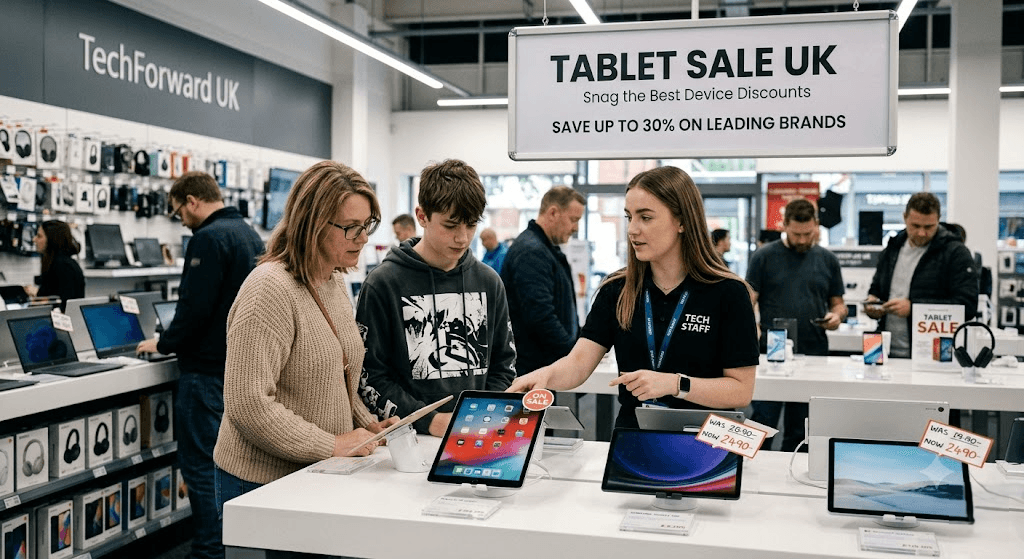
 For the modern British shopper, hunting for a bargain is no longer just a hobby; it has evolved into a highly refined skill. With the rising cost of living, fluctuating inflation rates, and the general unpredictability of household bills, consumers across the United Kingdom are constantly on the lookout for ways to stretch their hard-earned pounds. This economic climate has fuelled a massive surge in the popularity of daily deals in the UK, transforming how we shop for everything from Friday night takeaways and household tech to luxury weekend breaks in the Cotswolds.
The landscape of discount shopping has shifted dramatically from the days of snipping paper coupons out of the Sunday broadsheets. Today, a digital ecosystem of community-driven forums, flash sale applications, and targeted voucher websites dominates the retail sector. Understanding how to navigate this fast-paced environment can save you hundreds, if not thousands, of pounds annually. This comprehensive look into the UK daily deals market will break down the top platforms, reveal the psychology behind flash sales, and provide actionable strategies to ensure you are genuinely getting the best price possible.
The Evolution of the Great British Bargain
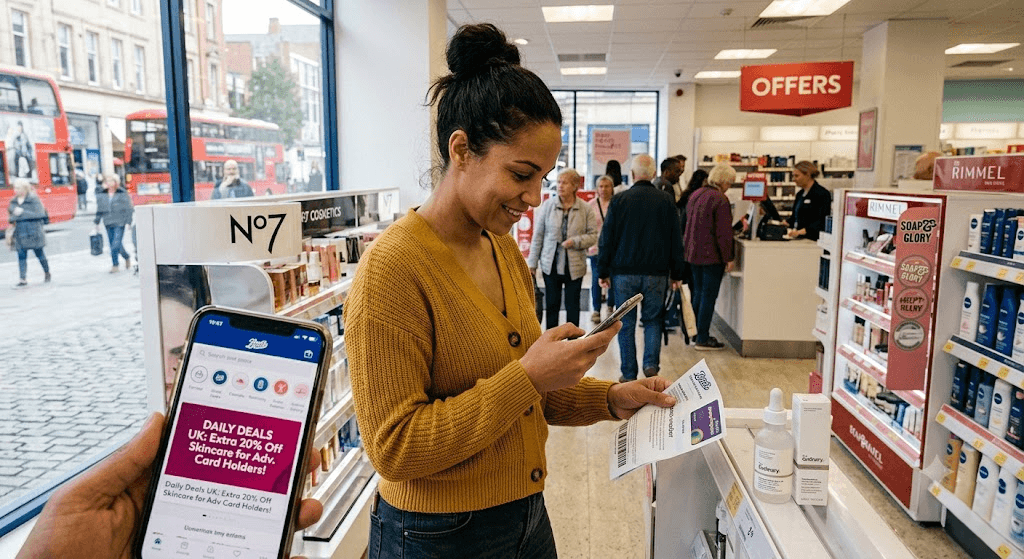
The UK has a rich history of discount retail, championed by the beloved high street giants and the traditional “yellow sticker” clearance culture found in local supermarkets. However, the true digital revolution of the daily deal began in the late 2000s and early 2010s. Influenced by the recession of 2008, a wave of digital platforms emerged, offering aggressive, short-term discounts designed to drive high volumes of traffic to struggling businesses.
Today, the focus has shifted from simple desperation discounts to strategic marketing. Brands actively use daily deal platforms as a core part of their customer acquisition strategy. Whether it is a boutique hotel trying to fill empty rooms on a Sunday night or a tech manufacturer clearing out last year’s stock to make room for new models, daily deals are a symbiotic relationship between savvy consumers and tactical retailers. The introduction of mobile applications with geolocation features has further refined this, allowing shoppers to receive push notifications for discounted coffees or meals just as they walk past the storefront.
The Heavyweights of the UK Deal Scene
While hundreds of discount websites exist, a select few have cemented themselves as the absolute titans of the UK daily deals market. Each operates on a slightly different model, catering to different consumer needs.
HotUKDeals (HUKD): The Community Powerhouse
Founded in 2004 by two friends in Sheffield, HotUKDeals is arguably the most influential deal-sharing platform in the country. Unlike traditional voucher sites that curate their own offers, HUKD relies entirely on crowdsourcing. Users submit deals, glitches, and vouchers they have found online or in physical stores. The community then votes these submissions up or down, measuring them in “degrees.”
A deal that reaches over 100 degrees is considered “hot.” The beauty of this system lies in the ruthless efficiency of its user base. If a retailer artificially inflates a Recommended Retail Price (RRP) to make a discount look better than it is, the HUKD community will instantly call it out in the comments, providing links to cheaper alternatives. It is an unfiltered, democratic approach to bargain hunting.
Wowcher: The Gamification of Shopping
Wowcher has built an empire on the element of surprise and bulk buying power. Best known for its infamous “Mystery Holiday” deals—where consumers pay a flat rate of £99 with the chance of flying to New York, Dubai, or a slightly less glamorous European destination—Wowcher leans heavily into the gamification of daily deals. They source vast quantities of excess stock or off-peak service bookings and offer them at steep, time-limited discounts. The platform excels in lifestyle purchases: spa days, afternoon teas, garden furniture, and novel tech gadgets.
Groupon UK: The Veteran of Vouchers
As one of the pioneers of the daily deal format, Groupon initially exploded in the UK by offering hyper-local deals on restaurants, haircuts, and car MOTs. While it still offers these local services, Groupon has heavily diversified into physical goods and travel. The platform operates on the principle of collective buying power; a deal only becomes “active” once a certain number of people commit to purchasing it, though given their massive current user base, this threshold is almost always met instantly.
Niche and Eco-Friendly Discount Platforms
Beyond the mainstream giants, a new wave of specialised daily deal platforms has emerged in Britain, often combining massive savings with ethical consumerism and environmental awareness.
Too Good To Go: Rescuing Food, Saving Pennies
Food waste is a major issue in the UK, and Too Good To Go has engineered a brilliant solution that doubles as an incredible daily deal. The app connects consumers with local restaurants, cafes, and supermarkets (including major players like Greggs, Costa Coffee, and Aldi) that have surplus unsold food at the end of the day. Users can purchase a “Magic Bag” for a fraction of the retail price—often around £3 or £4 for £15 worth of food. The catch is that you do not know exactly what you will get until you pick it up, adding a thrilling element of surprise to your evening meal.
Secret Escapes: Luxury for Less
For those looking for high-end experiences without the high-end price tag, Secret Escapes offers flash sales on luxury boutique hotels and holidays. By operating strictly on a members-only basis (though membership is free), they are legally allowed to negotiate exclusive, heavily discounted rates that hotels would not want advertised on public booking engines. Their deals often include added perks like free room upgrades, late checkouts, or complimentary bottles of wine.
The Psychology of the Flash Sale
To truly master daily deals in the UK, one must understand the psychological triggers these platforms use. Retailers invest heavily in behavioural economics to encourage immediate purchasing.
- The Scarcity Principle: Phrases like “Only 3 left at this price!” or “Selling fast” trigger our innate fear of missing out (FOMO). When we believe an item is scarce, its perceived value increases instantly.
- Countdown Timers: The ticking clock creates a false sense of urgency. It bypasses our logical, deliberative brain and forces the impulsive, emotional side of our brain to take control of the mouse.
- Price Anchoring: By displaying a massive (and sometimes legally questionable) original RRP crossed out next to the deal price, the site sets an “anchor.” Even if the item is still relatively expensive, the presence of the anchor makes it feel like an unmissable bargain.
Expert Strategies for Stacking Your Savings
Finding a good daily deal is only the first step. The true experts of the UK bargain-hunting scene know how to “stack” their savings, combining multiple discount methods on a single purchase.
Mastering Cashback Portals
Never make a purchase on a daily deal site without first clicking through a cashback portal like TopCashback or Quidco. These sites earn a commission for directing you to a retailer and pass the majority of that commission back to you. If you find a £300 television on an electronics flash sale, clicking through a portal offering 5% cashback will net you an additional £15 saving for exactly ten seconds of extra work.
Automating with Browser Extensions
If you are shopping on a desktop, browser extensions like Pouch or Honey are essential. These tools automatically scour the internet for active promotional codes and apply them to your basket at checkout. It removes the tedious process of copying and pasting expired codes from spammy voucher websites.
Utilising Section 75 Protection
When snapping up high-value daily deals, especially on travel or electronics, always try to pay with a credit card if the purchase is between £100 and £30,000. Under Section 75 of the UK Consumer Credit Act, the credit card company is jointly liable with the retailer. If the daily deal company goes bust before you take your holiday, or if the discounted tech arrives faulty and the seller ignores your emails, your credit card provider is legally obliged to refund you.
Reading the Fine Print: Avoiding the Traps
Not all daily deals are created equal, and the rush to buy can sometimes blind shoppers to the restrictive terms and conditions hidden in the small print. Here is what you must meticulously check before hitting the buy button:
- Hidden Postage and Packaging: A £5 garden hose seems like a steal until you reach the checkout and realise there is a £9.99 mandatory delivery fee attached. Always check the P&P costs before committing.
- Blackout Dates for Travel: That heavily discounted spa weekend in the Lake District might look incredible, but check the voucher’s validity. Many travel deals exclude bank holidays, school holidays, and weekends. If you work a standard Monday to Friday job, a voucher only valid on Tuesday afternoons is entirely useless to you.
- Voucher Expiry Dates: Daily deal vouchers do not last forever. Millions of pounds are wasted in the UK every year on expired Wowcher and Groupon codes. As soon as you buy an experience, book the date immediately.
- The “Up To” Illusion: Retailers frequently use the phrase “Up to 80% off”. This legally only requires a small fraction of the items in the sale to be discounted by that amount, while the items you actually want might only be reduced by 5%.
The Future of UK Daily Deals
The daily deal landscape in Great Britain is becoming increasingly sophisticated. Artificial Intelligence is beginning to play a massive role in how deals are presented. Instead of generic newsletters featuring deals you do not care about, platforms are using machine learning to track your browsing habits, pushing highly personalised, time-sensitive deals directly to your smartphone. If you frequently search for running shoes, expect to receive hyper-targeted flash sales for sporting goods exactly when your current shoes are theoretically due for replacement.
Furthermore, as sustainability becomes a core concern for British shoppers, we can expect to see a massive rise in daily deals focused on refurbished tech, upcycled fashion, and zero-waste groceries. The stigma of buying second-hand has vanished, replaced by a pride in securing a sustainable bargain.
Final Thoughts
Navigating the UK daily deals market requires a blend of fast reflexes, critical thinking, and a healthy dose of scepticism. By understanding the mechanics of these platforms, acknowledging the psychological tricks at play, and taking a few moments to read the fine print, you can unlock unprecedented savings. Whether you are hunting for the perfect Christmas gift, trying to reduce your weekly supermarket spend, or looking to book a spontaneous weekend getaway, the perfect bargain is out there waiting. The key is to shop deliberately, stack your discounts wisely, and never take a crossed-out RRP at face value.