 savingsspot.co.uk
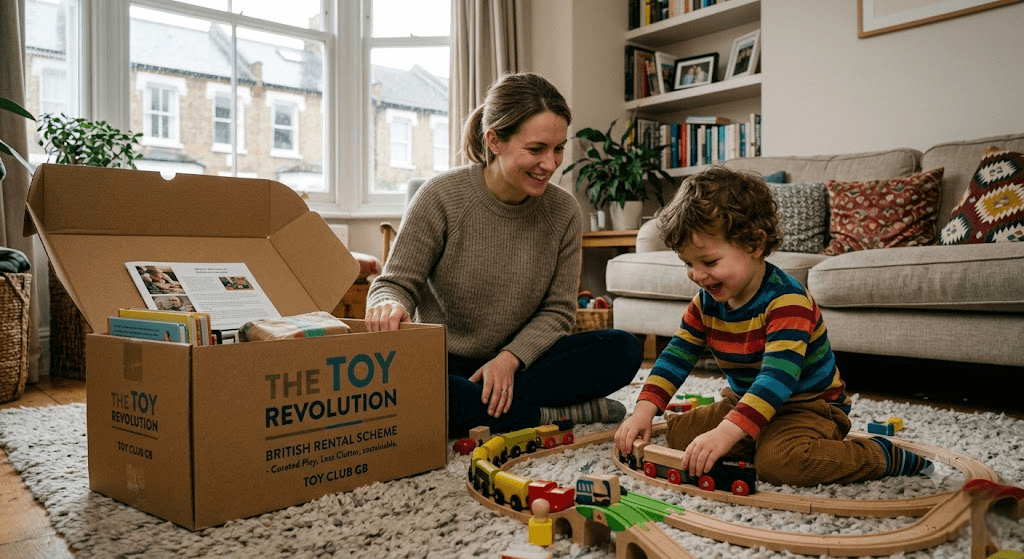
 If you have ever stepped on a rogue plastic brick in the middle of the night or felt the creeping anxiety of a playroom overflowing with toys that your children have long since ignored, you are certainly not alone. The modern British household is often caught in a cycle of relentless consumption: buying, storing, tripping over, and eventually disposing of plastic toys. However, a significant cultural shift is underway. Toy subscription services are rapidly transforming how families across the UK manage play, sustainability, and development.
For parents navigating the modern challenges of limited space, rising costs, and a growing desire for eco-conscious living, the toy subscription model offers a compelling alternative. It isn’t just about convenience; it is about a fundamental rethink of what childhood play looks like in the 21st century.
The Toy Clutter Crisis in Modern British Homes
The statistics are often staggering. Research suggests that a significant percentage of toys purchased in the UK end up in landfill within a few months of being bought. Many are made of virgin plastic, wrapped in excessive packaging, and destined to be forgotten once the novelty wears off. In the UK, where many families live in Victorian terraces or modern apartments with limited storage space, the “clutter crisis” is real.
Beyond the physical mess, there is the psychological burden. Psychologists have long argued that an excess of toys can actually reduce a child’s ability to focus and engage in deep, imaginative play. When children are overwhelmed by choices, they often jump from one object to another without truly exploring the potential of any single item. By streamlining the toy box, we aren’t just saving our floors—we are potentially improving our children’s cognitive development.
What Exactly is a Toy Subscription Service?
At its core, a toy subscription service operates on the principle of the “circular economy.” Instead of purchasing a toy that you will eventually have to discard, donate, or re-sell, you rent high-quality, often educational, toys for a set period. Once your child has finished with them—usually when they have mastered the skills the toy intended to teach—you send them back and receive a fresh batch tailored to the child’s next developmental milestone.
It is essentially a library for play. In the UK, this model has gained massive traction, with several reputable companies providing everything from Montessori-inspired wooden puzzles to complex STEM kits for older children. These services curate selections based on age, interest, and developmental needs, ensuring that the toys arriving at your doorstep are always appropriate and engaging.
The Sustainability Argument: Saving the Planet One Box at a Time
For the eco-conscious British parent, the environmental benefits are arguably the most significant selling point. Every year, millions of tonnes of plastic waste are generated by the toy industry. By choosing to subscribe, families actively participate in reducing the demand for new plastic production. Renting toys means that a single high-quality item can be enjoyed by dozens of different children, maximising its lifespan before it is eventually recycled at the end of its utility.
Many UK-based subscription services place a heavy emphasis on sourcing sustainable materials. You will often find a focus on FSC-certified wood, recycled cardboard, and natural, non-toxic finishes. This aligns perfectly with the growing UK trend of “conscious consumption,” where families are prioritising ethics alongside education.
Meeting Developmental Milestones Through Managed Play
Child development happens in rapid bursts, particularly in the first five years. A rattle that is captivating for a six-month-old will hold zero interest for a toddler. This creates a challenging cycle for parents: buying toys, watching them be used for a fortnight, and then storing them in the loft for “the next baby.”
Subscription services solve this by aligning with developmental milestones. When you sign up, you provide your child’s age and sometimes their specific interests. The service then sends items curated by child development experts. This ensures that you aren’t just getting “stuff”—you are getting tools that challenge your child, whether it’s developing fine motor skills, spatial awareness, or problem-solving abilities.
The Benefits of Toy Rotation
The concept of toy rotation is nothing new—Montessori educators have sworn by it for decades. By limiting the number of toys available at any one time and cycling them regularly, you keep the play experience fresh and stimulating. A subscription service does the heavy lifting of this rotation for you. By the time a child begins to grow bored with a toy, the return date is approaching, and new excitement is on the way.
The Financial Reality: Managing Household Budgets
Let’s talk about money. We are currently navigating a cost-of-living crisis, and parents are understandably cautious about monthly recurring payments. However, when you break down the numbers, the subscription model can actually be highly cost-effective.
Consider the average spend on birthday and Christmas gifts, not to mention the “just because” treats purchased from high-street toy shops. These costs add up rapidly. A subscription service offers a predictable monthly cost, which can actually help with household budgeting. Instead of erratic, expensive spending on items that end up under the sofa, you are paying for a constant stream of high-value, durable toys. When you calculate the “cost per use” of a rented toy compared to a bought one, the subscription model often comes out ahead.
How the Logistics Work in the UK
For many, the biggest question is: “What about the hassle?” The UK’s logistics infrastructure makes this incredibly straightforward. Most subscription companies operate through simple courier partnerships. When it’s time to return your items, you typically pop them back into the original box, attach a prepaid shipping label, and drop them off at your local collection point or have them picked up from your door.
The process is designed to be seamless. For the busy parent, the time saved in not having to research the latest trends, head to the shops, or manage the disposal of old toys is invaluable.
The Question of Hygiene: Addressing the Elephant in the Room
It is perfectly natural to worry about the cleanliness of rented toys. However, in the UK, these services are held to rigorous standards. Reputable providers have strict, medical-grade cleaning protocols. Toys are inspected for damage, cleaned with eco-friendly, child-safe solutions, and often quarantined between uses. The standard of hygiene provided by these services is often higher than the cleanliness of toys sitting in a public soft play area or nursery.
Choosing the Right Service for Your Family
Not all toy subscriptions are created equal. When researching the right fit for your family, consider the following:
- The Age Range: Does the service grow with your child? Ensure they cater to infants, toddlers, and beyond if you are looking for a long-term solution.
- The Philosophy: Does the company focus on Montessori, STEM, or Waldorf play? Choose one that aligns with your family’s educational values.
- Sustainability Commitment: Check their sourcing. Do they use sustainable wood? How do they handle end-of-life recycling for toys that are broken?
- Flexibility: Can you pause the subscription? Some families find they don’t need new toys during the summer holidays when they are spending more time outdoors. Look for services that offer “pause” or “holiday” modes.
The Future of Play in the UK
As we look toward the future, the integration of physical play with subscription services is likely to evolve. We might see services offering more “community” features, where parents can share feedback or participate in online workshops about how to best use the toys provided. The stigma surrounding “second-hand” items has already vanished in the world of fashion (look at the success of Vinted and Depop), and it is rapidly fading in the world of play.
By embracing toy subscription services, British parents are not just decluttering their homes; they are teaching their children a valuable lesson about the circular economy, sustainability, and the importance of valuing quality over quantity. It is a shift that benefits the family, the budget, and the planet.
So, the next time you find yourself staring at a pile of discarded plastic, consider this: the future of your playroom might not be in buying more—it might be in renting better.