
 savingsspot.co.uk
Purchasing a property is arguably one of the most significant financial commitments you will make in your lifetime. Whether you are stepping onto the property ladder for the first time, upgrading to a larger family house, or expanding an investment portfolio, the excitement of securing a new home can quickly overshadow the practicalities of the transaction. Amidst the flurry of arranging mortgages, instructing solicitors, and packing boxes, there is one crucial step that buyers ignore at their peril: the home inspection.
In the United Kingdom, a home inspection is commonly referred to as a property survey. However, regardless of the terminology used, the underlying premise remains identical. It is a rigorous, professional assessment of a property’s condition, designed to uncover hidden defects, structural anomalies, and potential future expenses. This assessment provides you with an unbiased, unvarnished truth about the bricks and mortar you are about to purchase.
Dispelling the Valuation Myth
Before delving into the intricacies of property assessments, it is vital to dispel a widespread misconception that leaves thousands of buyers vulnerable each year. A mortgage valuation is not a home inspection. When you apply for a mortgage, your lender will commission a valuation to ensure the property is worth the amount you wish to borrow. This is entirely for the lender’s benefit, designed to protect their financial stake in the event of repossession.
A mortgage valuation is often a fleeting visit, sometimes lasting no more than fifteen minutes, or in some cases, conducted entirely from a desk using historical data and algorithms. The valuer will not climb into the loft, they will not test the dampness of the walls, and they will certainly not lift floorboards. Relying on a valuation as proof of a property’s condition is a dangerous gamble. To truly understand what you are buying, you must instruct a qualified professional, typically a member of the Royal Institution of Chartered Surveyors (RICS), to conduct an independent home inspection on your behalf.
Categorising Property Surveys
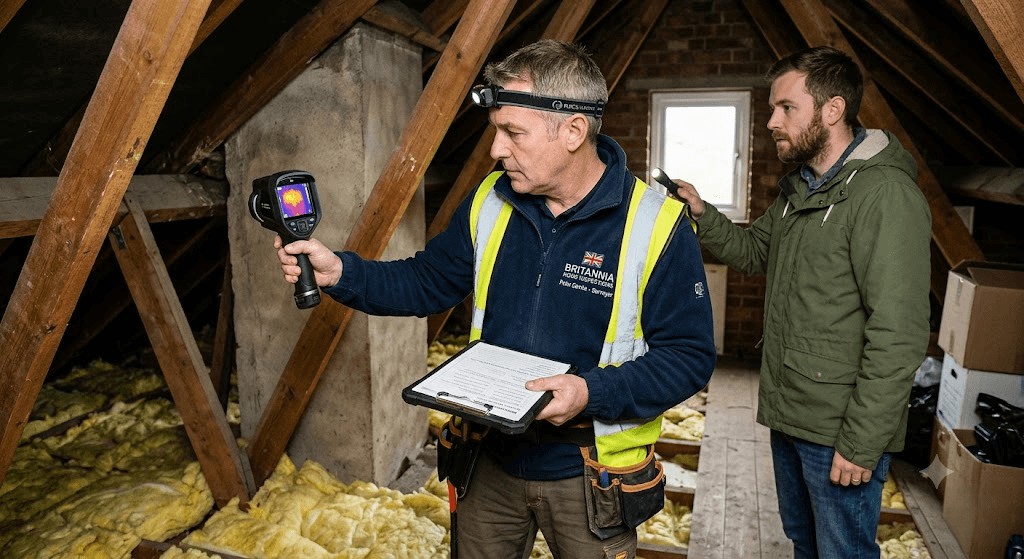
The UK property market offers several levels of inspection, tailored to the age, condition, and architectural style of the building. Selecting the correct level of scrutiny is essential to ensure you receive actionable and relevant data.
Level 1: The Condition Report
This is the most basic level of home inspection. It provides a superficial overview of the property’s condition, highlighting glaringly obvious defects and potential legal issues. A Condition Report does not delve into structural minutiae or provide repair estimates. This tier is generally only recommended for newly built properties or conventional, modern homes that are visibly in excellent decorative and structural order.
Level 2: The HomeBuyer Report
The Level 2 inspection is the most popular choice for the average British house buyer. It is perfectly suited for properties built from the late 19th century onwards, provided they are in reasonable condition and have not undergone radical, non-standard alterations. The inspector will conduct a thorough visual inspection, actively searching for common problems such as damp, subsidence, and roof degradation. Crucially, a HomeBuyer Report often includes market valuation advice and an insurance rebuild cost assessment.
Level 3: The Building Survey
Formerly known as a structural survey, this is the most comprehensive home inspection available. It is heavily recommended for period properties, historic homes, buildings of non-standard construction (such as timber-framed or thatched cottages), and properties that have been extensively renovated or extended. The surveyor will adopt a hands-on approach, checking the loft space, inspecting accessible drainage, and looking behind furniture if possible. The resulting document is highly detailed, offering extensive advice on repairs, maintenance timelines, and the potential consequences of ignoring identified faults.
The Financial Rationale for an Inspection
A common deterrent for buyers is the upfront cost of hiring a surveyor, which can range from a few hundred to over a thousand pounds, depending on the property’s size and location. However, framing this as a ‘cost’ is a mischaracterisation; it is an investment in risk mitigation.
Consider a scenario where you purchase a charming Victorian terrace, only to discover six months later that the roof requires total replacement, or that rising damp has decayed the ground floor joists. These repairs can easily escalate into tens of thousands of pounds. A thorough home inspection will identify these issues before the exchange of contracts. Armed with this knowledge, you are placed in a powerful negotiating position. You can request that the seller rectifies the issues prior to completion, or, more commonly, you can renegotiate the purchase price to reflect the cost of the necessary remedial works. If the structural integrity is compromised beyond your appetite for renovation, the inspection affords you the opportunity to walk away from a disastrous financial trap.
Crucial Red Flags Evaluated by Inspectors
When a chartered surveyor crosses the threshold of a property, they bring a highly trained eye, looking past the fresh paint and staging furniture to evaluate the core fabric of the building. There are several severe red flags that dominate their checklists.
Damp and Timber Decay
Due to the notoriously wet British climate, moisture is the primary enemy of domestic dwellings. Inspectors rigorously test for three types of damp: rising damp (where ground moisture travels up the masonry), penetrating damp (where water enters through defective walls or roofs), and condensation (caused by poor ventilation). Left untreated, damp environments cultivate dry rot and wet rot, fungal infestations that actively consume the structural timber of the house, compromising floors and roof trusses.
Structural Movement and Subsidence
All houses settle over time, resulting in minor, hairline plaster cracks that are purely cosmetic. However, inspectors are trained to distinguish between benign settling and active subsidence. Subsidence occurs when the ground beneath the foundations sinks, dragging the property down with it. It is particularly common in areas with clay-rich soil, such as London and the South East, especially during prolonged dry spells. Telltale signs include diagonal cracks widening around doors and windows, and sloping floors. Rectifying subsidence often requires underpinning, a vastly expensive and disruptive engineering process.
Roofing and Chimney Degradation
The roof is a property’s first line of defence against the elements, yet it is rarely scrutinised by prospective buyers. During a home inspection, the surveyor will evaluate the condition of tiles, slates, flashing, and the underlying felt. They will also inspect chimney stacks for leaning, damaged mortar, and failing leadwork. A compromised roof not only invites water ingress but can severely impact the building’s thermal efficiency.
The Japanese Knotweed Threat
This invasive, bamboo-like plant is a scourge on the UK property landscape. Japanese Knotweed has an incredibly aggressive root system capable of penetrating tarmac, exploiting weaknesses in concrete, and undermining foundations. If a surveyor identifies Knotweed on the premises, or even on immediately adjacent land, it can severely restrict your ability to secure a mortgage. Eradication is a legally stringent, multi-year process requiring specialist chemical treatments and controlled waste disposal.
Antiquated Electrical and Plumbing Systems
While a standard home inspection is not a substitute for a dedicated electrical installation condition report (EICR) or a gas safety check, the surveyor will assess the visible infrastructure. They will flag outdated fuse boards lacking modern RCD (Residual Current Device) protection, archaic wiring configurations, and the presence of lead plumbing. Replacing an entire central heating system or completely rewiring a house are significant capital expenditures that must be factored into your budget.
The Rise of Snagging Inspections for New Builds
There is a dangerous assumption that purchasing a brand-new home bypasses the need for an inspection. In reality, the rapid pace of modern construction and a nationwide skills shortage mean that new builds are frequently handed over with a multitude of defects.
A specialist ‘snagging’ home inspection is tailored entirely for newly constructed properties. Unlike an RICS survey that focuses on age-related degradation, a snagging inspector acts as a quality control auditor. They will identify everything from major breaches of building regulations and poorly fitted insulation (often checked using thermal imaging cameras) to cosmetic issues like poorly applied sealant, scratched glazing, and unlevel skirting boards. Handing a comprehensive snagging report to the developer before you move in ensures that these issues are rectified under the builder’s warranty, saving you from years of frustrating minor repairs.
Sellers: Preparing for the Surveyor’s Visit
Home inspections are not merely the domain of buyers; sellers must also understand the process to ensure their property achieves the best possible outcome. If you are selling, a poor survey report can derail a chain and collapse your sale entirely.
- Accessibility is Paramount: Ensure the surveyor has unhindered access to the loft, the garage, all reception rooms, and the electrical consumer unit. If they cannot access a specific area, they will note it as an ‘uninspected risk’, which breeds buyer paranoia.
- Gather Your Documentation: Transparency speeds up conveyancing. Have your boiler service records, electrical certificates, FENSA certificates for replacement windows, and planning permissions for any extensions readily available on the kitchen counter.
- Address Minor Defects: A surveyor’s report is cumulative. Dozens of minor issues—a dripping tap, a cracked windowpane, slipped roof tiles, or blocked gutters—can paint a picture of a poorly maintained property. Rectify these inexpensive issues before the inspection to project an aura of care and diligence.
Decoding the Traffic Light System
Upon completion of the home inspection, you will receive a comprehensive document. Modern RICS reports utilise a highly intuitive ‘traffic light’ condition rating (CR) system to help buyers prioritise repairs.
Condition Rating 1 (Green): No repair is currently needed. The element is in good working order and requires only standard, ongoing maintenance.
Condition Rating 2 (Amber): Defects have been identified that require repair or replacement, but they are not considered urgent or serious. These are issues you should budget for in the near future, such as upgrading an ageing but functional boiler, or replacing worn flashing.
Condition Rating 3 (Red): These are severe, urgent defects that pose a risk to the property’s structural integrity or the safety of its occupants. CR3 warnings demand immediate investigation and action. Examples include active structural movement, severe dampness, or dangerous electrical installations. A CR3 rating is your primary leverage for renegotiating the property price or, if the seller refuses to compromise, your signal to walk away.
Final Thoughts on Property Scrutiny
Navigating the UK property market requires a blend of emotional intuition and clinical, objective data. While it is natural to fall in love with high ceilings, original fireplaces, and south-facing gardens, these aesthetic triumphs mean very little if the underlying structure is fundamentally flawed.
A comprehensive home inspection lifts the veil on a property. It strips away the superficial charm and presents the building as a living, breathing structure with its own set of flaws and requirements. By investing in a high-quality property survey, you transition from a hopeful buyer relying on luck, into an informed investor dealing in concrete facts. It guarantees that the dream home you envision does not harbour a financial nightmare beneath the floorboards, securing your capital, your safety, and your peace of mind for the years to come.