 savingsspot.co.uk
 The British high street has undergone a massive transformation over the past decade. With the relentless rise of online shopping and the pressures of the current economic climate, traditional brick-and-mortar retailers are fighting harder than ever for your footfall. For the savvy shopper, this shifting landscape presents a golden opportunity. Gone are the days when you simply walked into a shop, picked an item off the rack, and handed over the full retail price. Today, the high street is an intricate web of loyalty schemes, hidden app perks, demographic discounts, and timing-based reductions.
If you are still paying the sticker price on the high street, you are effectively subsidising the discounts of those who know how to play the game. Mastering the art of in-store shopping does not mean you have to become an extreme couponer, clutching a binder of paper clippings. Instead, it requires a modern, strategic approach to retail. By setting up a few apps, understanding the rhythm of retail pricing, and knowing exactly what to ask for, you can effortlessly shave hundreds of pounds off your annual shopping bill.
The Era of Member-Only Pricing
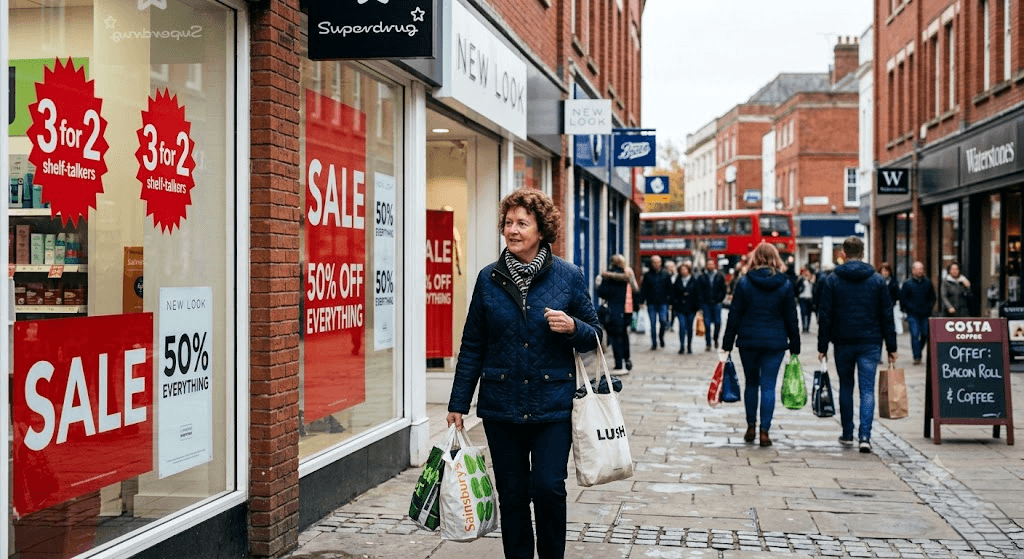
The most significant shift in high street retail over recent years is the transition from universal sales to member-exclusive pricing. Retailers have realised that data is just as valuable as immediate cash, and they are willing to offer steep discounts to get it.
Take the Boots Advantage Card, for example. Historically, it was a simple points-based scheme where you earned pennies on the pound. Recently, Boots introduced ‘Price Advantage’, mimicking the supermarket model. Now, spotting a bright pink sticker in-store means you might pay up to half price for premium skincare, vitamins, or cosmetics, but only if you swipe your card. Superdrug operates a very similar scheme with their Health & Beautycard, which also unlocks exclusive member pricing and even completely free standard delivery on online orders if you spot something in-store that is out of stock in your size.
This trend has bled into clothing and homeware too. Marks & Spencer’s Sparks card has evolved from a confusing points system into a portal for personalised offers. By regularly scanning your app at the till, the algorithm learns your buying habits. Within a few weeks, you will find targeted discounts—such as 20% off knitwear or bakery items—appearing directly on your phone. To maximise these schemes, always download the retailer’s app rather than just carrying the physical plastic card. The digital versions often contain ‘boost’ buttons or weekend-only flash vouchers that never make it to the physical store environment.
Passive Cashback: The Silent Saver
When we think of cashback, we usually picture clicking through a web portal before making an online purchase. However, the modern high street offers entirely passive cashback, meaning you can earn money simply by tapping your debit or credit card as you normally would.
The undisputed king of this sector in the UK is Airtime Rewards. This free app links securely to your Visa or Mastercard. Whenever you spend at participating high street retailers—which frequently include heavyweights like Boots, Argos, Greggs, Clarks, and Halfords—you automatically earn a percentage of your purchase back. The beauty of this system is that it requires absolutely no intervention at the till. You do not need to show a barcode or ask the cashier for anything. The cashback accrues in the app and is then used to pay down your monthly mobile phone bill (compatible with major networks like EE, O2, Vodafone, and Three).
Similarly, apps like Cheddar operate on the same open-banking principles, giving you actual cash directly back into your bank account when you shop at partner stores. Because these systems run in the background via the payment network, they stack perfectly with store sales and loyalty cards. You can buy a discounted shirt, scan your store loyalty app, and still earn passive cashback from the payment card.
Demographic Dividends: Are You Checking Your Eligibility?
Millions of people across the UK walk past significant discounts every day simply because they do not realise they qualify for them. Retailers offer robust discount tiers for specific professions and age groups, and these are often valid on the high street, not just online.
- The Blue Light Card: Most people associate this with NHS workers, but the eligibility criteria are astonishingly broad. If you work for the emergency services, armed forces, social care sector, or even as a volunteer for organisations like St John Ambulance, the RNLI, or Cave Rescue, you likely qualify. Costing just under a fiver for two years, it unlocks 10% to 20% off at hundreds of high street mainstays, including New Look, River Island, Schuh, and The Body Shop. You simply show the physical card at the till.
- Student Discounts: If you are a university student, or even a college student over the age of 16, downloading UNiDAYS and Student Beans is mandatory. However, a lesser-known fact is that anyone working in education—including teachers and support staff—can often access similar discounts through specific union portals or by simply showing their staff ID card in-store. Never be afraid to ask, “Do you do a student or staff discount?” at the checkout.
- Age-Based Reductions: Several retailers offer specific shopping days for older demographics. Iceland and The Food Warehouse run a scheme where shoppers over the age of 60 get 10% off their entire shop every Tuesday, with no minimum spend, just by showing a senior bus pass, railcard, or driving licence. Similarly, Boots offers over-60s double advantage card points on thousands of items.
Green Discounts: Getting Paid to Recycle
Sustainability is a major focus for the modern consumer, and high street brands are aggressively incentivising shoppers to recycle. These “bring back” schemes are some of the most lucrative, yet under-utilised, discount methods available.
In the beauty sector, John Lewis runs the ‘BeautyCycle’ scheme. If you are a member of their free loyalty programme, you can bring in five empty beauty products (from any brand, not just those sold in John Lewis) and receive £5 off your next beauty purchase in-store. Lush operates a similar ‘Bring It Back’ scheme, offering 50p towards your shopping for every qualifying empty Lush plastic packaging item you return. Bring back enough, and you can easily walk out with a free fresh face mask or bath bomb.
Fashion retailers are also heavily involved. H&M has led the charge for years with their garment collection programme. Hand over a bag of unwanted clothes or textiles—again, from any brand, in any condition—and they will give you a digital voucher for £5 off your next £25 spend. High street shoe retailer Schuh runs the ‘Sell Your Soles’ campaign; bringing in an old pair of shoes nets you a £5 voucher towards a new pair. These initiatives not only keep materials out of landfill but also guarantee you a permanent discount whenever you need to refresh your wardrobe.
Mobile Network Perks: Your Digital VIP Pass
If you pay for a monthly mobile phone contract, you are likely sitting on a goldmine of weekly high street freebies and discounts. Telco providers use these reward apps as retention tools, but usage rates remain surprisingly low.
O2 Priority is perhaps the most famous. Aside from offering early access to gig tickets, the app regularly drops codes for the high street. This includes completely free hot drinks from Caffè Nero, free sausage rolls or breakfast rolls from Greggs, and substantial discounts at high street fashion chains. Vodafone’s VeryMe rewards app operates similarly, frequently offering free coffees, discounted cinema tickets (which are often located within major high street retail parks), and exclusive percentage-off codes for physical stores.
The trick with these apps is timing. The best offers, particularly the free food and drink on the high street, are quantity-limited and tend to drop at specific times (often Friday mornings). Setting a weekly reminder to check your provider’s app before you hit the shops can result in a completely free lunch and significant savings on your planned purchases.
The Tactical Art of Stacking
Understanding individual discounts is great, but the true secret of high street mastery lies in ‘stacking’. Stacking is the practice of layering multiple distinct discount methods onto a single transaction to drive the price down to an absolute minimum.
Imagine you are walking into a major high street sports retailer to buy a pair of running shoes that retail for £100. A normal shopper pays £100. A slightly savvy shopper spots they are in the mid-season sale for £80. But the master stacker approaches it entirely differently.
First, they find the shoes in the sale for £80. Before going to the till, they check their corporate benefits portal (many UK employers offer schemes via Edenred or Reward Gateway) and purchase an £80 digital gift card for that specific retailer at a 10% discount, paying only £72. At the till, they present their student ID or Blue Light Card, securing an extra 10% off the sale price, bringing the cost down to £72. They then pay with the £80 gift card they just bought. Finally, because they bought the gift card using a debit card linked to a passive cashback app, they earn a further 2% back.
Through stacking, the master shopper walks out of the high street store with a £100 pair of premium running shoes having effectively spent less than £71, all while standing in the middle of a physical shop.
Timing the Till: When to Hit the High Street
Finally, securing the best price is often about knowing when to cross the threshold. The retail calendar is surprisingly predictable. Beyond the obvious Boxing Day and Black Friday events, the UK high street operates on a strict seasonal rotation. Mid-season sales reliably hit in mid-to-late March and mid-October. This is when retailers panic about moving transitional stock.
For high street supermarkets and convenience stores (like M&S Foodhalls, Sainsbury’s Locals, and Little Waitrose), timing is measured in hours, not months. The legendary ‘yellow sticker’ reductions—where fresh food is marked down by up to 75% to clear—follow a daily rhythm. While early morning shoppers might see a modest 10% knocked off items expiring that day, the aggressive markdowns occur in the evening. Hitting a high street food hall between 6:00 PM and 7:30 PM is generally considered the optimal window. The store staff are instructed to clear the shelves before closing, leading to premium ready meals, fresh bakery items, and expensive cuts of meat being sold for pennies.
Ultimately, keeping your hard-earned cash in your pocket requires viewing the high street not just as a place to browse, but as an ecosystem to be navigated. By embracing digital loyalty apps, exploiting your demographic advantages, recycling your empties, and layering your payment methods, you can ensure that the next time you walk out of a high street store, you do so knowing you secured the absolute best deal possible.