 savingsspot.co.uk
 For decades, the weekly shop was a predictable British ritual. You grabbed a metal trolley with a wobbly wheel, walked the familiar aisles of your local supermarket, and paid whatever the till demanded at the end. Today, however, the retail landscape across the United Kingdom has undergone a seismic transformation. Driven by economic pressures, fierce supermarket rivalries, and the rise of digital loyalty schemes, the humble “weekly special offer” has evolved from a simple cardboard sign into a sophisticated, data-driven science.
Whether you are trying to trim your grocery bills, secure high-end cosmetics for a fraction of their retail price, or enjoy a mid-week meal out without breaking the bank, understanding the hidden mechanics of weekly offers is essential. This guide bypasses the generic advice to look at the top shelves and instead explores the concrete strategies, psychological triggers, and exact weekly schedules that govern the UK high street.
The Hidden Rhythm of the Retail Week
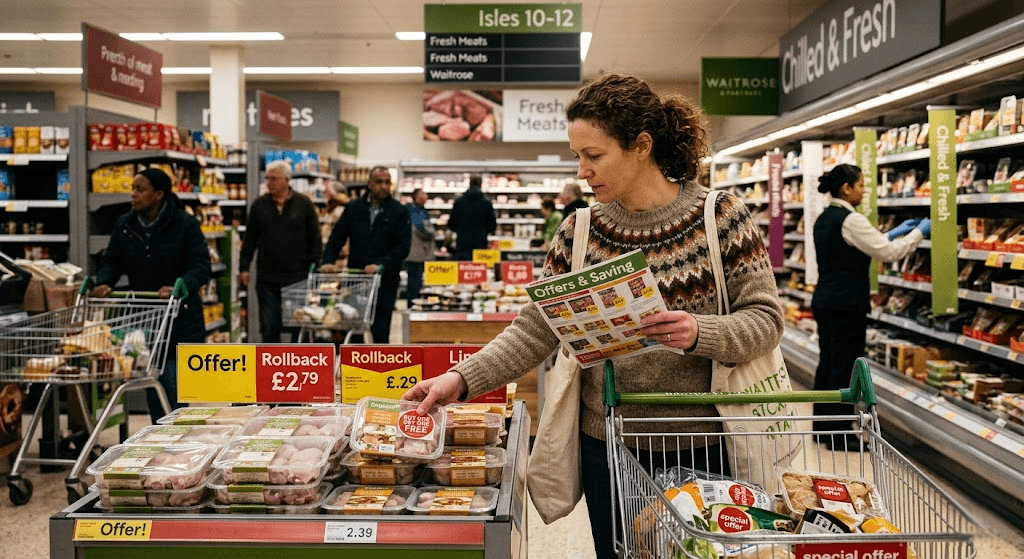
Most consumers treat special offers as random strokes of luck—a sudden half-price tag on their favourite coffee or a discounted punnet of strawberries. In reality, British retailers operate on strictly regimented promotional calendars. By learning the specific turnover days of the major chains, you can transition from a passive browser to a strategic buyer.
The Supermarket Reset Cycle
Unlike the daily fluctuations of the stock market, supermarket promotions move in weekly and fortnightly waves. Retailers need time to update physical shelf-edge labels, reprogramme their central checkout databases, and roll out fresh promotional displays.
- Wednesday and Thursday Mornings (The Big Four): Tesco, Sainsbury’s, Asda, and Morrisons carry out the vast majority of their major promotional changeovers between Tuesday night and Thursday morning. If you shop on a Monday evening, you are effectively picking through the remnants of the previous week’s deals. Walking into a store on a Wednesday afternoon guarantees you first pick of the freshly discounted stock.
- Aldi’s Fresh Weekly Rhythm: Aldi’s highly popular “Super 6″—a rotating selection of heavily discounted fruit and vegetables—refreshes every fortnight on a Thursday. Furthermore, their iconic ‘Specialbuys’ (the legendary middle aisle featuring everything from air fryers to cycling gear) land on Thursdays and Sundays.
- Lidl’s Weekly Picks: Lidl operates a remarkably similar schedule, dropping its “Pick of the Week” produce offers on a Thursday, alongside fresh waves of non-food Middle of Lidl promotions every Thursday and Sunday.
High Street and Health & Beauty Drops
The weekly offer phenomenon extends far beyond the food aisles. One of the most famous weekly events in UK retail is Boots’ £10 Tuesday. Every Tuesday morning, the health and beauty giant slashes the price of dozens of premium skincare, haircare, and cosmetic products to exactly £10 for 24 hours online. These items frequently carry standard retail prices ranging from £18 to £35, making this a vital weekly window for savvy consumers to restock their bathroom cabinets.
The Anatomy of a Weekly Deal: Economics and Illusions
To truly master weekly special offers, one must understand why retailers offer them in the first place. Supermarkets are not charities; every price drop is a calculated move designed to influence your behaviour.
The “Loss Leader” Strategy
When you see a standard pack of branded butter dropped to £1.50, or a large box of laundry capsules sold at a 50% discount, you are witnessing a “loss leader” in action. Retailers frequently sell these high-demand, staple items at or below cost price. The psychological goal is simple: to convince you that the entire store is exceptionally cheap, tempting you through the doors so you fill the rest of your basket with high-margin items like batteries, bin liners, and bakery goods.
Gated Loyalty Pricing
The most significant shift in British retail over recent years is the transition toward gated weekly offers. Pioneered by Tesco’s “Clubcard Prices” and rapidly adopted by Sainsbury’s (“Nectar Prices”) and Morrisons (“More Card Exclusives”), the most attractive weekly discounts are now locked behind a data exchange.
While these schemes offer undeniable point-of-sale savings, they require a shift in consumer literacy. The non-loyalty price is frequently inflated to make the “promotional” price look like a bargain, when in reality, the promotional price is simply the fair market value. The true weekly offer is found when a gated loyalty price is applied to an item that is *already* serving as a manufacturer loss leader.
Decoding the Shelf Edge: The Golden Rule of Unit Pricing
When confronted with a sea of vibrant yellow, purple, and blue promotional tags, the human brain naturally looks for the lowest bold number. However, the most powerful weapon in a British shopper’s arsenal is printed in minuscule font beneath the main price: the Unit Price.
By law, UK retailers must display the cost of an item per standard unit of measurement (typically per 100g, per kilogram, per 100ml, or per litre). Comparing weekly special offers using unit pricing exposes classic retail traps:
- The Multi-Buy Illusion: A promotional tag blares “Buy 2 for £4” on 200g blocks of cheese (£10 per kg). Right next to it, the standard, unpromoted 400g block of the exact same cheese sits quietly at £3.50 (£8.75 per kg). The bright promotional sign successfully nudges rushed shoppers into paying more per gram.
- The Shrinkflation Mask: Frequently, an item is placed on a weekly special offer to distract consumers from the fact that the packaging size has been reduced. Checking the price per 100g allows you to see past the promotional fanfare and track the true historical cost.
Advanced Tactics: Stacking and the Digital Ecosystem
For the elite deal-hunter, finding an item on a weekly special offer is merely the first step. True financial efficiency comes from “stacking”—combining store-level promotions with third-party digital incentives.
Cashback and Receipt-Scanning Apps
Applications such as Shopmium, GreenJinn, and CheckoutSmart partner directly with brands to offer weekly cash rebates. These apps update their offer lists every Thursday or Friday. Because these rebates are funded by the food manufacturers rather than the supermarkets, they can be used simultaneously with in-store weekly promotions.
The Stacking Scenario: Imagine a brand of premium oat milk is on a weekly supermarket offer, reduced from £2.20 to £1.50. You purchase it at the till, taking advantage of the store’s offer. You then open your cashback app, which happens to have a weekly 50p rebate on that exact brand. You snap a photo of your receipt, and 50p is deposited into your PayPal account. Your final cost: £1.00—a total saving of over 54%.
Instant Gift Card Rebates
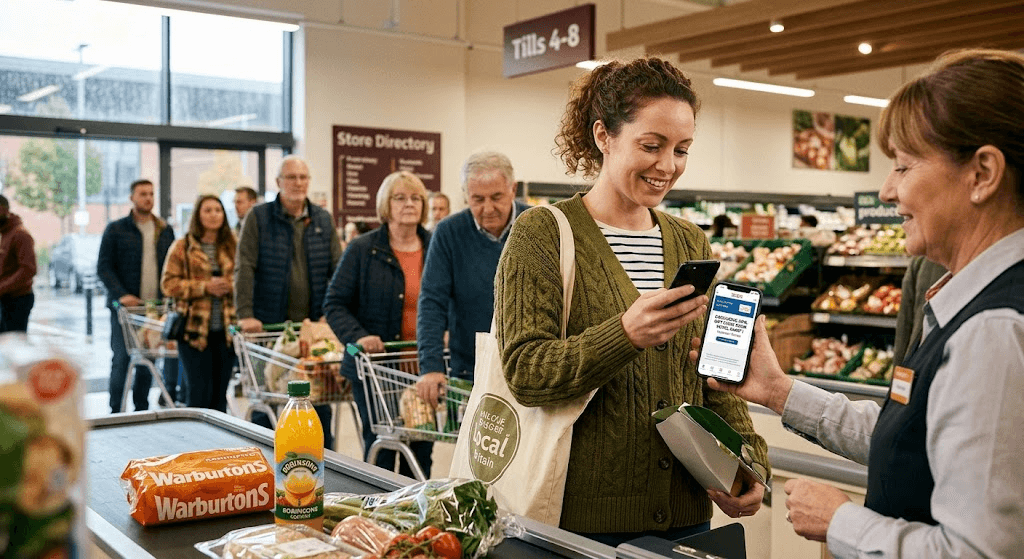
Before stepping up to the till to pay for your weekly discounted shopping, open an instant cashback app like JamDoughnut or Cheddar. These UK platforms allow you to buy a digital supermarket gift card for the exact amount of your shopping balance while standing in the queue, instantly rewarding you with 2% to 4% cashback. Stacking a store-level weekly offer with a manufacturer cashback app, and paying via a discounted gift card, represents the pinnacle of modern consumer efficiency.
Beyond the Grocery Trolley: High Street Leisure Deals
The weekly offer ecosystem thrives just as vigorously across the UK’s hospitality and entertainment sectors. Integrating these predictable weekly cycles into your social calendar can dramatically reduce the cost of living.
The Mid-Week Dining Slump
Restaurants and pubs face a massive drop in footfall between Monday and Wednesday. To combat this, chains have institutionalised weekly offer nights. From the culturally ingrained “Curry Club” Thursdays and “Fish Fridays” at Wetherspoons to mid-week 2-for-1 burger drops at gourmet high street chains, dining out on a Tuesday or Wednesday is routinely 30% to 50% cheaper than booking a table on a Saturday night.
Cinema and Entertainment Weekly Drops
The British cinema industry is heavily propped up by mid-week weekly promotions. The long-standing Meerkat Movies promotion offers 2-for-1 cinema tickets every Tuesday and Wednesday. Savvy filmgoers know that pairing a Tuesday night screening with a local restaurant’s mid-week set menu cuts the cost of a traditional “date night” entirely in half.
Five Actionable Habits for the Savvy Brit
To seamlessly integrate the power of weekly special offers into your daily routine, adopt these five operational habits:
- Audit Before You Shop: Never walk into a supermarket on a Wednesday turnover day without taking a photo of the inside of your fridge and cupboards. The greatest threat to saving money via special offers is buying discounted perishables that eventually end up in the food waste bin.
- Master the ‘Ghost Basket’: If you shop online with retailers like Waitrose, Ocado, or Sainsbury’s, fill your digital trolley with your weekly items on a Monday, but do not check out. Frequently, the retailer’s automated retention algorithms will notice the abandoned basket and email you a bespoke weekly voucher (e.g., “£15 off your next £60 shop”) by Wednesday morning to close the sale.
- Ignore End-Cap Temptation: Supermarkets place their highest-margin weekly “offers” on the ends of the aisles (known in the trade as gondola ends). Treat these displays with extreme scepticism. Walk into the main aisle to verify if an own-brand or bulk alternative offers a superior unit price.
- Track the Cycles: Non-perishable household items (loo roll, dishwasher tablets, tinned tomatoes) operate on roughly six-week promotional rotations. When your preferred brand hits its rock-bottom weekly offer price, buy enough stock to last six weeks. You should theoretically never pay the full retail price for household cleaning products.
- Scrutinise Gated Expiries: When looking at a digital loyalty shelf tag, check the tiny date printed in the corner. This indicates when the weekly offer ends. If a fantastic deal on a non-perishable item is expiring tomorrow, it is worth grabbing an extra pack; if it runs for another three weeks, leave it on the shelf until your next visit to manage your cash flow.
Navigating the UK’s high streets and supermarkets requires a delicate balance of cynicism and strategy. By looking past the bold typography of promotional signs, understanding the rigid weekly timetables of major retail chains, and utilising digital tools to compound your savings, you can insulate your household budget against inflation while still enjoying the very best products Britain has to offer.