 savingsspot.co.uk
 Every parent knows the specific feeling of dread that arrives when a child stands up and you notice their trousers are suddenly hovering three inches above their ankles. It seems to happen overnight. One day the fit is perfect, and the next, they look like they’ve borrowed a younger sibling’s wardrobe. Boys, in particular, seem to possess a magical ability to grow out of—or destroy—clothing at a rate that defies basic biology and economics.
Navigating a boys clothes sale isn’t just about grabbing the cheapest t-shirt on the rack. It is a strategic operation. It requires foresight, an understanding of fabrics, and the ability to predict how big your child will be in six months. In the United Kingdom, where the weather demands a wardrobe that can handle four seasons in a single afternoon, getting high-quality gear at a discount is essential for keeping household budgets intact.
This guide explores the art of the sale, moving beyond the red stickers to look at how you can build a durable, stylish, and functional wardrobe for boys without paying full price. From mastering the timing of high street clearances to understanding the durability of fabrics found in the bargain bin, here is how to shop smarter.
The Psychology of the Sale: Avoiding the “Bargain” Trap
Before diving into specific items, we must address the mindset of sale shopping. Retailers are experts at creating urgency. The “FINAL REDUCTION” signs are designed to trigger a fear of missing out. However, a £5 t-shirt is only a bargain if it is actually worn. If it sits in a drawer because it scratches the skin or features a cartoon character your son decided he hated yesterday, it is a waste of £5.
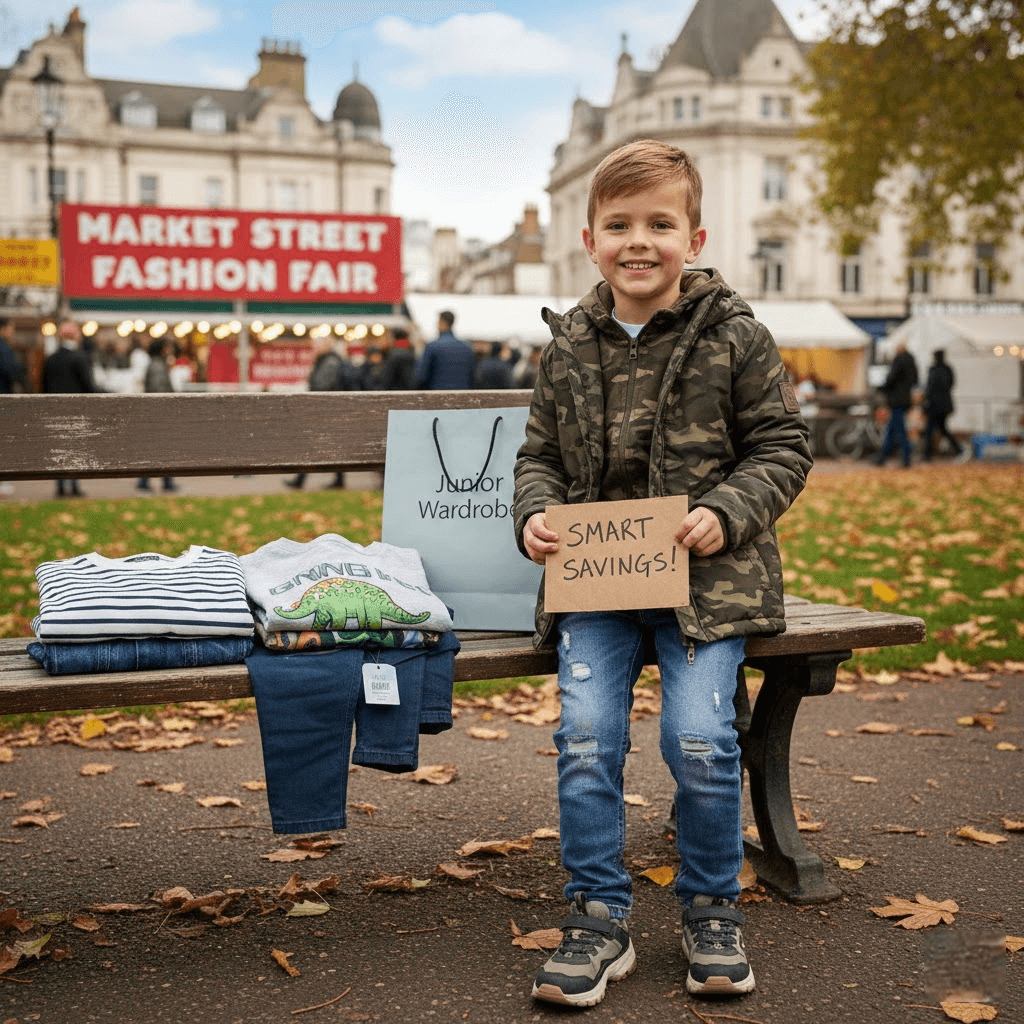
When browsing a boys clothes sale, ask yourself three questions:
- Does it fill a gap? Do they actually need another grey hoodie, or are you buying it because it used to be £20?
- Is it scalable? Can this item be worn now, or is it sized for a future season? If it’s for the future, are you certain it will fit when that season arrives?
- Is it comfortable? Boys can be incredibly fussy about textures. Sale items are often non-refundable. If the seam is rough, it won’t get worn.
Timing Your Attack: The UK Retail Calendar
To truly capitalise on discounts, you need to sync your shopping habits with the UK retail cycle. The best deals are rarely found when you actually need the item. If you wait until the first frost to buy a winter coat, you will pay a premium. The secret is “offset purchasing.”
The End-of-Season Sweet Spot
The deepest discounts in a boys clothes sale usually occur in January (for winter gear) and July/August (for summer gear). This is the time to buy for next year. If your son is currently in age 5-6, scan the racks for age 7-8 coats in January. You can often secure high-performance waterproofs and parkas for 70% off. High-quality outerwear is one of the most expensive categories in boys’ clothing, so this is where the biggest savings lie.
Mid-Season Sales
October and April often see “mid-season sales” where retailers clear out transitional stock. This is the prime time to hunt for layering pieces like gilets, lighter jumpers, and jeans. These items are versatile enough to be worn year-round in the UK, making them safe bets even if the sizing is slightly generous.
The Back-to-School Lull
Interestingly, late September is a fantastic time for basic essentials. Once the “Back to School” rush is over, supermarkets and high street chains often discount multipacks of polo shirts, trousers, and socks. Since boys tend to put holes in the knees of their trousers by November, stocking up on discounted uniforms in late September is a wise move.
Focus Areas: What to Prioritise in a Boys Clothes Sale
Not all clothing categories are created equal. Some items are worth hunting for in sales, while others are cheap enough at full price or too risky to buy without trying on. Here is where you should focus your energy.
1. Outerwear and Coats
This is the gold standard of sale shopping. A good quality boys’ winter coat needs to be waterproof, windproof, and breathable. At full retail price, branded outdoor gear can cost a fortune. In a sale, however, technical fabrics often see significant price drops.
Look for features that extend the life of the garment, such as “grow cuffs” (sleeves that can be unstitched to add an inch of length) or detachable linings. A 3-in-1 coat bought in a sale is a victory for the family budget.
2. The Trousers Trouble: Knees and Durability
If you have an active boy, you know that knees are the first thing to go. When browsing a boys clothes sale, look specifically for reinforced knees. Many brands now offer joggers and denim with double stitching or patches at the knee area. These are often more expensive at full price, so finding them discounted is a major win.
Avoid buying trousers too far in advance, however. Boys change shape rapidly—some shoot up in height, while others fill out. A pair of jeans bought a year in advance might be the right length but the wrong waist size. Stick to buying trousers for the current or immediate upcoming season.
3. Party Wear and Smart Casual
How often does a young boy wear a waistcoat, a blazer, or a crisp button-down shirt? Perhaps twice a year for weddings or family gatherings. Consequently, these items often remain in pristine condition on the sale rails. Never pay full price for formal wear. Check the clearance sections for smart chinos and shirts. Since these items are worn infrequently, you can often buy them slightly large and roll up sleeves to get two years of use out of them.
4. Footwear: A Risky Business
Shoes are the trickiest category in any sale. Poorly fitting shoes can damage growing feet. However, sales are excellent for specific types of footwear, namely wellies and canvas trainers.
Wellington boots are essential for UK weather, but they aren’t worn for long durations, meaning precise orthopaedic support is less critical than it is for school shoes. Buying the next size up in wellies during a sale is a safe bet. Similarly, branded trainers (sneakers) can be vastly cheaper in sales. If you stick to brands you already know the fit of, you can grab the next size up and keep them in the cupboard until needed.
Fabric Matters: Quality Control
One of the dangers of sale shopping is that retailers sometimes manufacture specific lines for the outlet or sale period, using lower-quality materials. When you have the item in your hand (or when zooming in on a product image), check the fabric composition.
Cotton vs. Synthetics
For t-shirts, pyjamas, and underwear, look for 100% cotton. It breathes better and washes well. In the sale bins, you will often find polyester-mix t-shirts. These tend to pill (bobble) after a few washes and can trap sweat—something active boys generate plenty of. Avoid the “bargain” 3-pack of polyester tops; they will look scruffy within weeks.
However, for hoodies and joggers, a cotton-polyester blend is often superior. The synthetic element helps the garment hold its shape and prevents shrinkage in the tumble dryer. Aim for a mix that is at least 60% cotton.
The “Hand-Me-Down” Factor
If you have younger children, or if you plan to resell items on platforms like Vinted or eBay, quality is paramount. A high-end brand sweatshirt bought at 50% off will survive being worn by two children. A supermarket “fast fashion” item might not survive one. When engaging in a boys clothes sale, view the purchase as an investment. Spending £15 on a reduced premium jumper is better value than £8 on a cheap one that loses its shape, provided the premium one lasts longer.
Online vs. High Street Hunting
The strategy for hitting sales differs depending on whether you are scrolling on a phone or rummaging through rails.
In-Store Tactics
Physical stores are great for assessing texture and true size. Sizes vary wildly between brands; a “medium” in one shop is a “large” in another. In-store, you can physically hold the garment up against your child (or a garment you brought with you that fits them well).
Look for the “lonely rails” at the back of the store. This is where single items, often returns from online orders, end up. You can find hidden gems here that aren’t listed on the main website.
Online Tactics
Online sales allow for efficient filtering. This is the best way to shop if you are looking for something specific, like “Age 8 waterproof jacket.” Use the filters to remove anything that isn’t your required size to avoid the heartbreak of falling in love with an item only to find it’s out of stock.
Pro Tip: Place items in your basket a few days before a rumoured sale starts. Some websites will save your basket, and when the prices drop, you can checkout immediately before popular sizes vanish.
The Capsule Wardrobe Approach
To make the most of sale items, adopt a “capsule wardrobe” mentality. Instead of buying random items that catch your eye, aim for a cohesive colour palette. For boys, this is often quite easy: navy, grey, khaki, and perhaps one accent colour like mustard or red.
If you ensure that every bottom you buy in the sale matches every top, you double the number of outfits available without buying more clothes. Avoid the temptation of the “novelty” sale item—neon orange trousers might be £3, but if they only match one specific t-shirt, they aren’t practical.
Sustainability and the Secondary Market
We cannot discuss modern clothing sales without mentioning the secondary market. In the UK, the stigma around second-hand clothing has all but vanished, replaced by a pride in sustainable shopping.
Apps and charity shops are essentially a permanent boys clothes sale. The “bundle” concept is particularly powerful here. Parents often sell huge bags of clothes (e.g., “Bundle of 10 t-shirts age 6-7”) for the price of one new item. For play clothes—garments destined for climbing trees, painting, and sliding in mud—second-hand bundles are the most economically and environmentally sound choice.
Furthermore, buying high-quality items in retail sales allows you to participate in this circular economy. If you buy a desirable brand of coat on sale and keep it in good condition, you can often resell it for 50% of what you paid, effectively making the cost of ownership incredibly low.
Care and Maintenance of Sale Finds
You have secured the goods. You have navigated the boys clothes sale and emerged victorious with a bag of high-quality, discounted loot. The final step is ensuring those clothes last.
Read the labels. It sounds obvious, but different fabrics react differently to heat. If you’ve bought a sale item with a printed graphic, wash it inside out to prevent cracking. If you’ve bought technical sportswear, avoid fabric softener, as it can strip away the moisture-wicking properties.
Also, consider a simple dye kit. Black jeans and navy joggers often fade while the fabric is still structurally sound. A quick spin in the washing machine with a renovator dye pod can make sale items look brand new again, extending their life even further.
Conclusion: The Savvy Shopper’s Checklist
Mastering the sales is not about luck; it is about preparation. By understanding the seasonal flows of the UK market, prioritizing quality fabrics, and thinking ahead regarding sizing, you can clothe your growing boys in style without breaking the bank.
Remember these golden rules for your next shopping trip:
- Think Ahead: Buy winter coats in January for next year.
- Check the Fabric: Prioritise cotton mixes and reinforced knees.
- Ignore the “Was” Price: Judge the item on its current value to you, not the discount percentage.
- Stick to a Palette: Ensure sale items mix and match with the current wardrobe.
- Don’t Forget Footwear: Wellies and branded trainers are safe bets to buy in larger sizes.
With a little patience and a tactical approach, the “sold out” signs won’t bother you, because you’ll have already secured the best deals long before the masses arrive.