savingsspot.co.uk
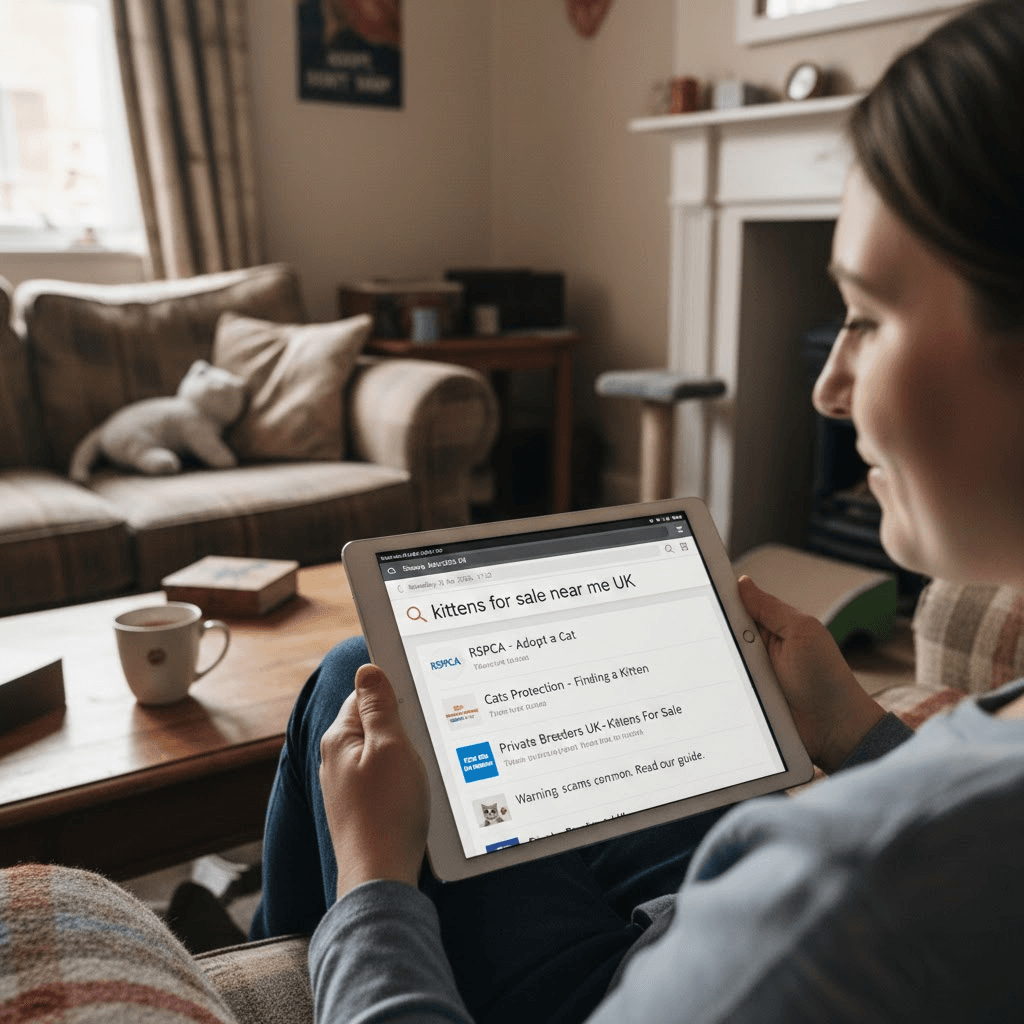
 Typing “kittens for sale near me” into a search engine is often the beginning of a life-changing journey. There is a specific kind of magic associated with bringing a kitten home—the tiny paws, the boundless energy, and the promise of fifteen to twenty years of companionship. However, in the United Kingdom, the landscape of acquiring a pet has shifted dramatically in recent years. With changes in legislation like Lucy’s Law and the rise of sophisticated online scams, the process requires more than just finding a cute photo and handing over cash.
Whether you are in a bustling flat in London, a semi-detached in Manchester, or a cottage in the Cotswolds, finding a healthy, happy kitten requires diligence. This guide is designed to navigate you through the British cat market, ensuring that when you do find that perfect ball of fluff locally, you are supporting ethical breeding and setting yourself up for a lifetime of happiness.
Understanding the “Near Me” Importance
When you search for kittens locally, you aren’t just saving on petrol money. Proximity is a crucial factor in ethical pet buying. Buying local allows for multiple visits, which are essential for several reasons:
- Bonding: Visiting your prospective kitten at four weeks, six weeks, and eight weeks helps establish a scent bond before they even step foot in your house.
- Socialisation Verification: You can observe how the kitten interacts with its littermates and humans in a familiar environment. A kitten that has been raised in a busy household (often called “bombproof” by breeders) will react differently to household noises than one raised in an outdoor shed.
- Support Network: A local breeder often becomes a mentor. If you have issues with feeding or settling in during the first week, having the breeder just a short drive away can be invaluable.
The Legal Landscape: Lucy’s Law and You
Before you message a single seller, you must understand the law. In England, strict rules known as Lucy’s Law banned the third-party sale of puppies and kittens. This means that if you are buying a kitten under six months old, you must buy it directly from the breeder or adopt it from a rescue centre.
You cannot buy a kitten from a pet shop or a “dealer.” When you visit the “kittens for sale near me” that you found online, you are legally entitled—and morally obligated—to see the kitten interacting with its biological mother in the place where it was born. If a seller makes excuses—”The mum is at the vet,” “She’s shy,” or “We can meet in a car park”—walk away immediately. This is the reddest of red flags for kitten farming.
Deciphering the Marketplace: Where to Look
The internet is a double-edged sword. While it connects you to thousands of sellers, it also harbours unlicensed backyard breeders. Here is how to navigate the platforms available in the UK.
1. The Governing Bodies (The Gold Standard)
If you are looking for a specific breed—be it a British Shorthair, a Ragdoll, or a Siamese—your first port of call should be the Governing Council of the Cat Fancy (GCCF) or TICA (The International Cat Association). Breeders registered here adhere to a strict code of ethics.
A GCCF registered kitten will come with:
- A registration card (a bit like a birth certificate).
- A pedigree history showing several generations.
- Mandatory vaccinations.
- A guarantee that the queen (mother) has not been overbred.
2. Dedicated Pet Portals (Pets4Homes, Gumtree, Preloved)
These are the most common places to find “kittens for sale near me.” However, they require a detective’s eye. Pets4Homes puts significant effort into verifying sellers, often requiring ID checks, making it safer than general classified sites. When using these platforms, filter your search to “hobby breeders” or “registered breeders” where possible. Be wary of adverts that look like templates used for multiple different litters.
3. Rescue Centres
While your search term is “for sale,” do not discount the “for adoption” route. The RSPCA, Cats Protection, and Battersea Dogs & Cats Home often have kittens, especially during “kitten season” (typically April to September). Adoption fees are significantly lower than buying prices (usually £80–£120), and the kittens come neutered, vaccinated, and microchipped.
The Breeder Interview: Questions You Must Ask
Once you have identified a local seller, the conversation you have is critical. A good breeder will interview you as much as you interview them. They should care where their baby is going. If they simply ask, “When can you pick it up?” be suspicious.
Here are the essential questions to ask:
“Have the parents been health tested?”
Different breeds are prone to different genetic conditions. For example, Maine Coons and Ragdolls should be tested for HCM (Hypertrophic Cardiomyopathy). Persians need to be tested for PKD (Polycystic Kidney Disease). Ask to see the certificates.
“Will the kitten be microchipped and vaccinated?”
In the UK, it is now a legal requirement for cats to be microchipped before they reach 20 weeks of age. A responsible breeder will usually handle the first vaccination (at 9 weeks) and the microchip before the kitten leaves.
“Is the kitten on the non-active register?”
If you are buying a pedigree, this is vital. The “non-active” register means you are buying the cat as a pet, not for breeding. If a breeder sells you an “active” cat without asking questions about your breeding experience, they are likely unethical.
Spotting the Scam: Save Your Heart and Wallet
The demand for kittens in the UK skyrocketed recently, and scammers took note. “Deposit fraud” is the most common issue. This occurs when a seller posts photos of a beautiful (often stolen image) kitten, demands a deposit to “secure” it because of “high interest,” and then vanishes.
How to protect yourself:
- Reverse Image Search: Take the photo from the advert and run it through Google Images. If it appears on a Russian breeder’s Instagram or a US Pinterest board, it’s a scam.
- Video Calls: Before paying a penny, ask for a video call (FaceTime/WhatsApp) to see the kitten moving in real-time with the seller. Scammers cannot do this.
- No Cash Transfers: Never pay via Western Union or direct bank transfer until you have verified the seller. Use protected payment methods or pay the deposit in person after viewing.
The Cost of “Cute”: Budgeting for Reality
The price tag on the advert is just the entry fee. When calculating the affordability of a kitten, you need to look at the first-year costs in the UK economy.
The Purchase Price
- Moggies (Non-pedigree): Free to £250.
- Pedigree (e.g., British Shorthair): £850 to £1,500.
- Rare Breeds (e.g., Savannah): £2,000+.
The “Setup” Costs
You will need a carrier (hard plastic is safer for car travel than fabric), litter trays (rule of thumb: one per cat plus one extra), scratching posts, and ceramic or metal bowls (plastic can cause feline acne). Budget around £150–£200 for high-quality equipment that won’t need replacing in six months.
Veterinary and Insurance
Pet insurance is non-negotiable for most UK owners due to rising veterinary costs. For a pedigree cat, expect to pay £15–£30 per month for “lifetime cover.” The initial vaccination course (if not done by the breeder) costs around £70–£90. Neutering costs vary but generally fall between £60 and £100.
Preparing Your Home: The Safe Zone
You have found the breeder, passed the checks, paid the deposit, and the big day is approaching. Now you must kitten-proof your home. Kittens are liquid; they can fit into gaps behind kitchen cabinets, under dishwashers, and inside reclining sofas.
The “Safe Room” Technique
Do not give a new kitten run of the whole house immediately. It is overwhelming. Pick one room (a bedroom or quiet living room) to be their base for the first 72 hours. Put their food, water, and litter tray in this room (keep food and litter as far apart as possible). Sit in there with them, reading a book or working on a laptop, letting them come to you.
Toxicity Check
Many common British house plants are deadly to cats. Lilies are the number one enemy—even the pollen can cause kidney failure. Poinsettias, Aloe Vera, and Tulips are also toxic. Switch to cat-safe greenery like Spider Plants or Boston Ferns before the kitten arrives.
Diet and Nutrition: Continuing the Cycle
Sudden changes in diet lead to upset stomachs—a mess you do not want to clean up on day one. Ask the seller exactly what brand of food the kitten is currently eating. Buy a supply of this food.
If you wish to change their diet (perhaps to a higher meat content or grain-free option), do it gradually over two weeks. Mix 10% new food with 90% old, slowly tipping the balance. In the UK, we have access to excellent high-protein cat foods, both wet and dry. Look for foods where a named meat (e.g., “Chicken”) is the first ingredient, not “Cereals” or “Meat Derivatives.”
The First Night: What to Expect
The first night is often the hardest. The kitten has just left its mother and siblings. They may cry or meow loudly. This is heartbreaking, but normal.
To comfort them:
- Heartbeat Toys: You can buy plush toys that emit a gentle heartbeat sound, mimicking the mother.
- Heat Pads: A microwaveable heat pad (like a SnuggleSafe) wrapped in a blanket provides the warmth they are used to from the litter pile.
- Scent Soaking: If possible, ask the breeder for a piece of bedding the kitten has slept on. The familiar scent is a powerful anxiety reducer.
Integration with Other Pets
If you already have a dog or a cat, the “near me” search was the easy part; the introduction is the challenge. The golden rule is: Scent before Sight.
Swap bedding between the new kitten and the resident pet. Feed them on opposite sides of a closed door so they associate the other’s smell with something positive (food). When they finally meet, keep the dog on a lead and ensure the kitten has high places (shelves, cat trees) to escape to. This process can take days or weeks. Patience is key.
A Note on Indoor vs. Outdoor
This is a fierce debate in the UK. Unlike in the US or Australia, it is culturally common and generally accepted to let cats roam outdoors in Britain. However, traffic accidents are the leading cause of premature death in cats.
If you live near a busy A-road or in a city centre, consider keeping your cat as an indoor pet. If you do, you must provide environmental enrichment—tall scratching posts, window hammocks, and interactive play. If you choose to let them out, wait until they are neutered, fully vaccinated, and at least six months old. Many owners are now opting for “Catios”—enclosed patios that offer fresh air without the risk of cars or foxes.
Conclusion
Searching for “kittens for sale near me” is about more than a transaction; it is about finding a new family member. By prioritising local, ethical breeders, adhering to Lucy’s Law, and preparing your home and finances, you ensure that the kitten you bring home has the best possible start in life.
Take your time. Do not rush to buy the first kitten you see on an advert. The right kitten is worth the wait, and when they finally curl up on your lap and begin to purr, you will know that every bit of research was worth it.