 savingsspot.co.uk
 There are few things in life as compelling as the thought of a new puppy. In Scotland, where the landscape practically begs for a canine companion—from the rugged paths of the Highlands to the leafy parks of Glasgow and Edinburgh—the drive to add a dog to the family is incredibly strong. However, typing “puppies for sale Scotland” into a search engine is merely the first step in a complex, emotional, and legally regulated journey.
The dog market has changed drastically in recent years. Prices have fluctuated, regulations have tightened, and the sophistication of both ethical breeders and unscrupulous scammers has evolved. If you are looking to bring a four-legged friend into your Scottish home, you need more than just money; you need patience, knowledge of the law, and a keen eye for detail. This article breaks down the reality of buying a dog north of the border, ensuring your new family member is healthy, happy, and legally sourced.
The Scottish Regulatory Landscape: Buying Safely
Before you even look at a photograph of a litter, you must understand the rules. Scotland has been at the forefront of animal welfare legislation in the UK, and being ignorant of these laws can lead you into the trap of funding illegal puppy farming.
Understanding “Lucy’s Law” in Scotland
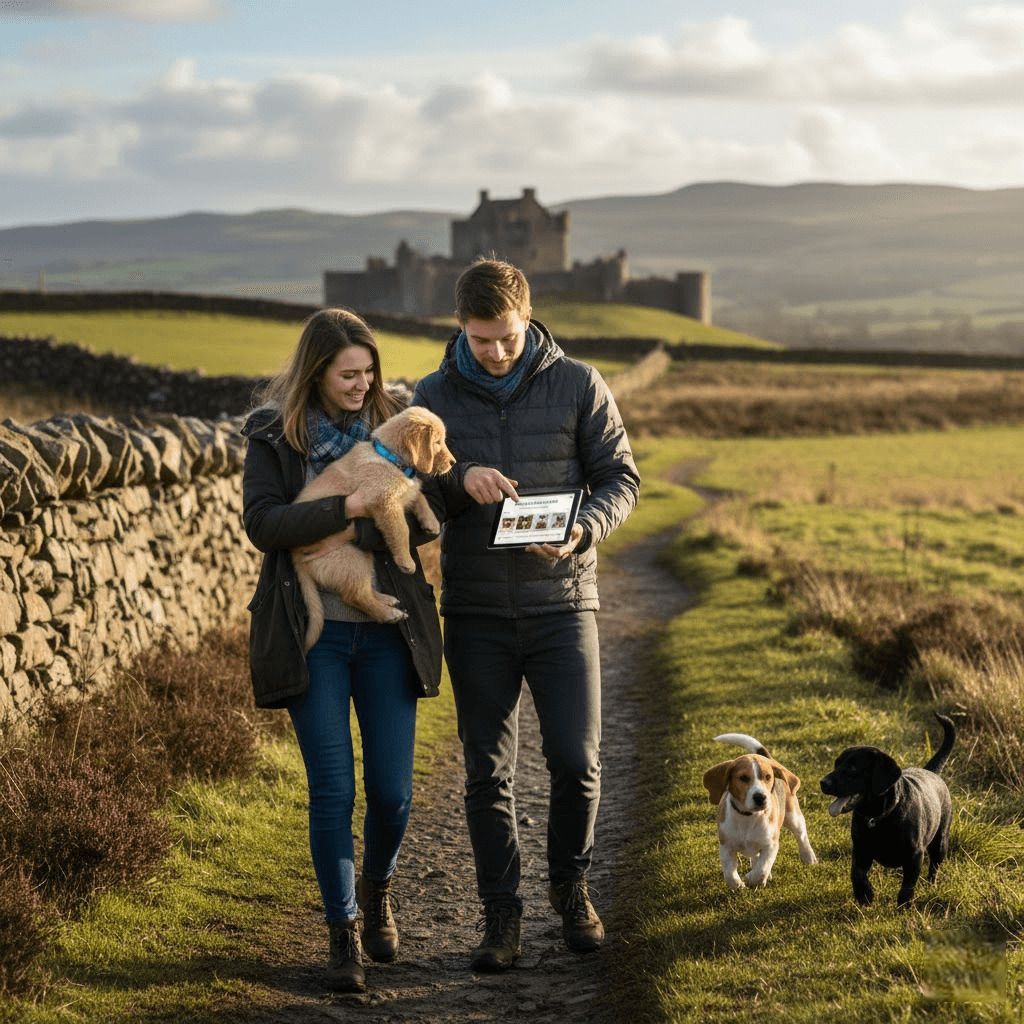
The introduction of legislation often referred to as “Lucy’s Law” has fundamentally changed how puppies are sold. In essence, this legislation means that anyone looking to buy a new puppy must deal directly with the breeder or an animal rehoming centre. Third-party dealers are banned.
When you are looking for puppies for sale Scotland, the puppy must be born and raised at the premises where you view it. You must see the puppy interacting with its mother. If a seller offers to meet you in a car park, a service station off the M8, or claims the mother is “at the vet” or “out for a walk,” walk away immediately. This is not just a red flag; it is likely a breach of the law.
Licensing Requirements
In Scotland, anyone breeding three or more litters of puppies in any 12-month period must be licensed by their local authority. However, even if they breed fewer than this, but are doing so as a business (for profit), they may still require a license. Licensed breeders are inspected by vets or council officials.
When you contact a breeder, ask for their Local Authority Licence Number. A legitimate breeder will display this proudly on their website or advert. You can then verify this number with the relevant council, be it Aberdeenshire, Highland, or the City of Edinburgh Council.
Identifying Ethical Breeders vs. Puppy Farmers
The phrase “puppies for sale Scotland” yields thousands of results, but separating the wheat from the chaff is the hardest part of the process. Puppy farming is a cruel industry where profit is prioritised over welfare, resulting in dogs with lifelong health and behavioural issues.
The Hallmarks of a Responsible Scottish Breeder
A high-quality breeder views their dogs as family members first and breeding stock second. Here is what you should expect:
- Waitlists are the Norm: Good breeders rarely have puppies ready to go immediately. They plan litters carefully. Be prepared to wait months, or even a year, for the right dog.
- Interrogation: Expect the breeder to grill you. They will ask about your garden fencing, your work hours, your experience with dogs, and your lifestyle. If they simply ask for cash and a pickup date, be suspicious.
- Health Testing: This is non-negotiable. Different breeds suffer from different genetic conditions. For a Labrador, you want to see hip and elbow scores and eye tests. For a French Bulldog, you want respiratory function grading. The breeder should have the paperwork ready to show you.
- Lifetime Support: A great breeder will tell you that if, for any reason, you cannot keep the dog (even ten years later), it must be returned to them. They take responsibility for life.
Spotting the Scams
Online classifieds are rife with fraud. Be wary of:
- The “Sad Story” Discount: Scammers often claim they are moving house, going through a divorce, or working overseas and need to sell the puppy cheap for a quick sale.
- Deposit Fraud: Never pay a deposit before you have seen the puppy in person (or via a live video call if distance is an issue, though an in-person visit is always superior). Scammers harvest photos from legitimate sites and take deposits from multiple victims for a dog that doesn’t exist.
- Courier Services: If the seller pushes hard to use a specific pet courier service to deliver the dog to your door without you meeting them, it is almost certainly a scam.
Choosing the Right Breed for the Scottish Lifestyle
While you may have a specific aesthetic in mind, the Scottish environment should play a role in your decision. The reality of dog ownership in Scotland involves rain, mud, and varied terrain.
The Robust Walkers
If you plan to bag Munros or spend your weekends traversing the West Highland Way, you need a breed with stamina and weather resistance. Gundogs like Labradors, Golden Retrievers, and Springer Spaniels are incredibly popular across Scotland for this reason. They can handle the wet ground and have the energy to keep up.
The Native Breeds
There is a certain romance to owning a Scottish breed in Scotland.
- West Highland White Terriers (Westies): Tenacious and hardy, they cope well with the climate but require grooming to keep their coats pristine in the mud.
- Scottish Terriers (Scotties): Fiercely loyal and independent, though perhaps less inclined to run marathon distances than a Spaniel.
- Gordon Setters: The black and tan setter from Scotland is a large, stunning dog built for the grouse moors, perfect for active rural families.
- Deerhounds: If you have the space (and a very large sofa), these gentle giants are part of Scottish history.
City Living
For those in flats in Glasgow’s West End or Edinburgh’s New Town, smaller breeds or those with lower exercise requirements are preferable. French Bulldogs and Dachshunds are popular, but ensure you buy from health-tested lines to avoid high vet bills. Sight hounds like Whippets are excellent flat dogs—they run fast for 20 minutes and sleep for the rest of the day.
The Financial Reality of Dog Ownership in the UK
The purchase price is just the tip of the iceberg. When browsing listings for puppies for sale Scotland, you might see prices ranging from £800 to £3,000 depending on the breed. However, the cost of living crisis affects pets too.
Veterinary Costs and Insurance
Vet fees in the UK have risen. A simple consultation can cost £40-£60, and emergency surgery can run into the thousands. Pet insurance is practically mandatory for peace of mind. For a puppy in Scotland, premiums can vary based on your postcode. Inner-city postcodes may carry higher premiums than rural ones due to traffic risks and theft rates.
Food and Accessories
High-quality dog food is an investment in your dog’s health. Factor in roughly £40-£70 per month for a medium-sized dog. Additionally, you will need a crate, bedding, harnesses, and, crucially for Scotland, drying coats and towels for the inevitable rain.
The Process: From Search to Sofa
So, you are ready to proceed. How do you actually navigate the transaction safely?
Step 1: The Search Platforms
Avoid general classified sites if possible. Instead, look at:
- The Kennel Club (KC) Find a Puppy Service: This lists litters from KC registered breeds. Look specifically for “Assured Breeders,” as they adhere to stricter health and welfare standards.
- Champdogs: A website dedicated to responsible breeding. It allows you to see the lineage and health test results of the parents clearly.
- Breed Clubs: Almost every breed has a Scottish club (e.g., The Golden Retriever Club of Scotland). The secretaries of these clubs often know of planned litters that never even make it to the open market.
Step 2: The First Contact
Do not send a text saying “Is the dog still available?” Write a proper email introducing yourself, your home setup, and why you want that specific breed. Breeders receive hundreds of low-effort inquiries; standing out as a serious, educated buyer is vital.
Step 3: The Visit
When you go to view the puppies:
- Observe the Mother: Is she friendly? Does she look healthy? A mother who is aggressive or terrified is a bad sign for the puppies’ genetic temperament.
- Check the Environment: Is it clean? Does it smell? Are the puppies kept in a home environment where they hear vacuums, TVs, and people, or are they in a cold outbuilding? Socialisation starts at birth.
- Interaction: Sit on the floor. Let the puppies come to you. You are looking for a pup that is curious and confident, not one that cowers in the corner.
Step 4: The Paperwork
When you pick up your puppy, you should receive:
- A Contract of Sale: Detailing the return policy and health guarantees.
- Microchip Details: By law, the puppy must be microchipped before sale. You will need to transfer the keeper details to your name.
- Vaccination Record: Usually, puppies have their first round of vaccines at 8 weeks. You will need to arrange the second round with your own vet.
- Worming Information: Dates of when they were wormed and which product was used.
- KC Registration Papers: If the dog is sold as registered.
The Rehoming Alternative
While the search term “puppies for sale Scotland” implies buying a new dog, it is worth considering if a “sale” is the only route. The Scottish SPCA (SSPCA) and breed-specific rescue centres are currently overflowing.
There is a misconception that rescue dogs are all “damaged.” In reality, many are surrendered due to owner circumstances—divorce, death, or relocation. While puppies are rarer in shelters than adult dogs, they do appear. Adopting gives a dog a second chance and often comes with the benefit of the dog being neutered, vaccinated, and assessed for temperament before you take them home.
Preparing Your Home for a Scottish Puppy
Bringing a puppy home requires logistical planning.
Puppy Proofing
Get down on your hands and knees to see the world from their perspective. Secure loose cables, move toxic plants (like lilies or azaleas) out of reach, and ensure your garden is escape-proof. If you live in a rural area with livestock nearby, remember that a dog worrying sheep is a serious offence in Scotland. You must have a secure area where the dog cannot escape into neighbouring farmland.
The Journey Home
Scotland is a big country. If you are driving a puppy from a breeder in the Borders back to a home in Inverness, plan for frequent stops. Puppies have small bladders and get car sick easily. Bring fresh water, plenty of old towels, and a secure travel crate. It is illegal and dangerous to have a dog loose in the car.
Conclusion
Buying a puppy is not like buying a car or a television. You are inviting a living, breathing, emotional being into your life. The search for “puppies for sale Scotland” is just the gateway to a 10 to 15-year commitment.
By prioritizing ethical breeders, understanding the laws designed to protect animals, and being realistic about your own lifestyle and budget, you ensure that the puppy you bring home will be a joy rather than a burden. The Scottish landscape is waiting to be explored with your new companion—take the time to find the right one, the right way.