savingsspot.co.uk
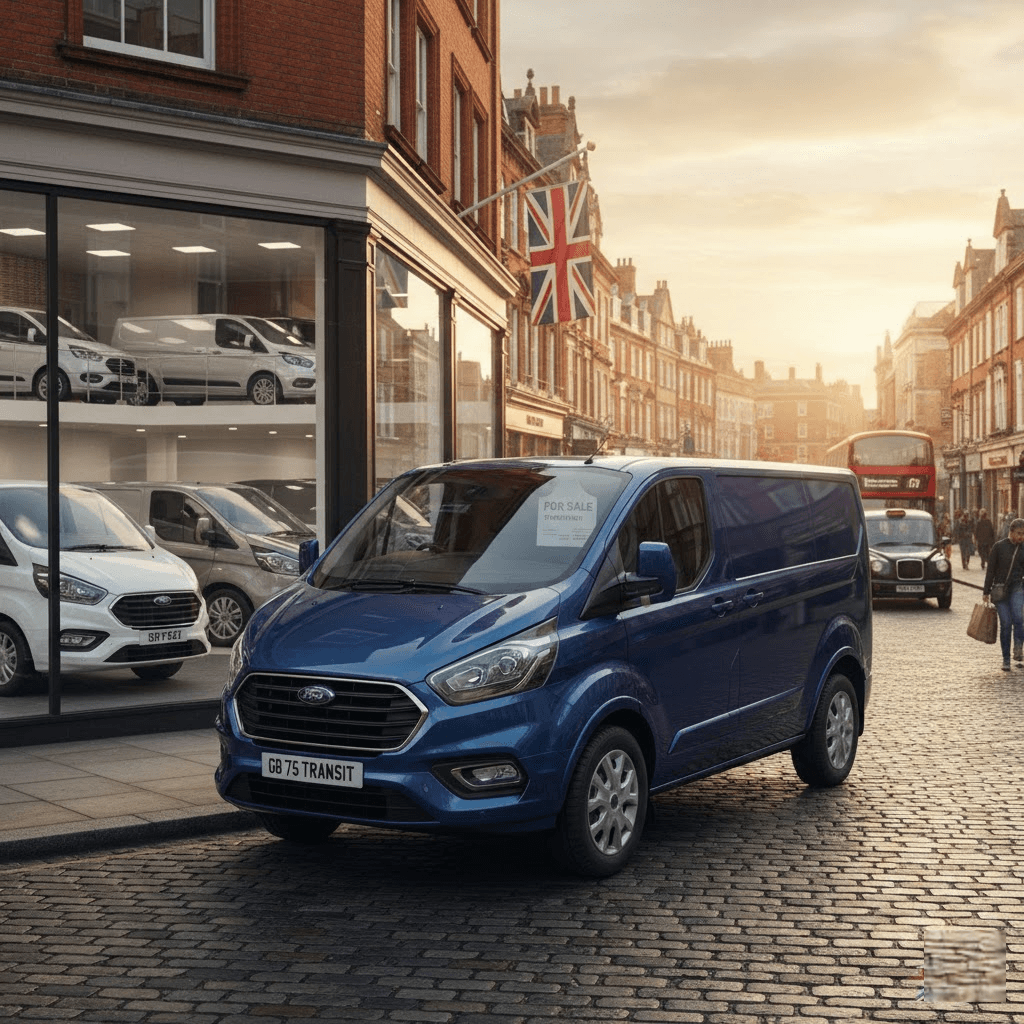
 The Ford Transit Custom is not merely a vehicle; in the United Kingdom, it is an institution. Since its separation from the larger Transit range in 2012, it has consistently dominated the sales charts, frequently outselling not just other commercial vehicles, but often passenger cars like the Fiesta and Focus. For tradespeople, fleet managers, and increasingly, lifestyle adventurers, finding a Ford Transit Custom for sale is often the first step toward upgrading their business efficiency or leisure time.
Whether you are scouring the classifieds for a rugged workhorse or visiting dealerships for a pristine, factory-fresh model, the sheer volume of options can be overwhelming. This article delves deep into the nuances of the Transit Custom, exploring engine variants, trim levels, common pitfalls in the used market, and why this mid-sized van remains the undisputed king of British roads.
Why the Transit Custom Dominates the UK Market
Before handing over your hard-earned cash, it is worth understanding why this van commands such high residual values and intense demand. The genius of the Transit Custom lies in its driving dynamics. Ford engineers successfully managed to create a commercial vehicle that behaves remarkably like a car. The steering is precise, the suspension handles British potholes with surprising grace, and the cabin ergonomics are designed for drivers who spend eight to ten hours a day behind the wheel.
When you see a Ford Transit Custom for sale, you are looking at a vehicle designed specifically for the European market, with a footprint that fits perfectly into standard UK parking spaces while maximising load volume. This balance of “driveability” and “usability” is the core reason it retains value so well, making it a smart financial investment for limited companies and sole traders alike.
Deciphering the Trim Levels: Which One Suits You?
One of the first hurdles when looking for a Ford Transit Custom for sale is decoding the hierarchy of trim levels. Ford has structured the range to cater to every budget, from the bare-bones utility worker to the luxury-seeking owner-operator.
The “Leader” (formerly Base)
At the entry point, we have the Leader. If you are browsing listings for the cheapest possible Ford Transit Custom for sale, this is likely what you will find. It comes with unpainted plastic bumpers and steel wheels. Inside, it is functional but sparse. It is the fleet favourite—built to be abused, washed out, and put back to work. However, modern versions are far from primitive, often featuring Bluetooth and electric windows as standard.
The “Trend”
The Trend is arguably the “sweet spot” for many buyers. It introduces body-coloured bumpers, fog lights, and cruise control. For the driver who wants a bit more comfort without the price tag of the premium models, a Trend model represents excellent value. It usually features a heated windscreen (a godsend in a British winter) and parking sensors, which are vital for protecting your investment in tight urban loading bays.
The “Limited”
If you are looking for a Ford Transit Custom for sale that doubles as a mobile office or a family vehicle on weekends, the Limited is the most popular choice for independent tradespeople. It adds alloy wheels, air conditioning, heated seats, and the SYNC infotainment system. The resale value on Limited models is particularly strong because second-hand buyers actively hunt for these creature comforts.
The “Sport” and “MS-RT”
For those who want to make a statement, the Sport and MS-RT trims are the pinnacle. The Sport trim features bonnet stripes and aggressive styling kits, while the MS-RT is a fully modified version inspired by Ford’s rally team, featuring bespoke leather interiors and aggressive bodywork. These vans command a significant premium, but they also offer a distinct professional image that says, “business is good.”
Engine Options: Diesel, Hybrid, or Electric?
The powertrain landscape has shifted dramatically over the last decade. When searching for a Ford Transit Custom for sale, you will primarily encounter three categories of propulsion.
The EcoBlue Diesel (2.0 TDCi)
The vast majority of listings will feature the 2.0-litre EcoBlue diesel engine. Introduced to replace the older 2.2-litre unit, this engine is Euro 6 compliant, meaning it is safe from the Ultra Low Emission Zone (ULEZ) charges in London and other major cities—a crucial factor for any modern buyer. It comes in various power outputs, typically 105PS, 130PS, and 170PS (and a bi-turbo 185PS in later Sport models).
The 130PS is generally considered the best all-rounder, offering enough torque for heavy loads without drinking fuel. However, buyers should be aware of the “wet belt” system used in some of these engines, which requires strict adherence to service intervals to prevent catastrophic engine failure.
The Plug-in Hybrid (PHEV)
For urban couriers, the PHEV represents a fascinating middle ground. It uses a 1.0-litre petrol engine (the EcoBoost) as a range extender to charge the battery, which drives the wheels. If your work involves short hops around the city centre with zero-emission zones, looking for a PHEV Ford Transit Custom for sale might save you a fortune in running costs, though they are less suited to long motorway slogs.
The E-Transit Custom
The newest entrant is the fully electric E-Transit Custom. While these are still filtering into the used market, they represent the future. With a range of over 200 miles (claimed), they are becoming viable for most local businesses. If you are buying new or nearly new, this is where the tax incentives are most aggressive.
Buying Used: A Checklist for the Savvy Purchaser
The used market is flooded with ex-fleet vehicles, and while high mileage isn’t a death sentence for a Transit, specific issues need inspection. When you go to view a Ford Transit Custom for sale, bring a torch and a critical eye.
1. Security Vulnerabilities
It is an unfortunate reality that Transits are targeted by thieves. Check the driver’s door lock. Has it been tampered with? Many owners install aftermarket “Hykee” locks or deadlocks. Seeing these already fitted to a used van is a bonus, as it saves you the immediate expense of upgrading the security.
2. The “Wet Belt” and Oil Pumps
As mentioned earlier, the 2.0 EcoBlue engine uses a timing belt that runs in oil. If the wrong oil has been used, or if the service schedule has been ignored, the belt can degrade, clogging the oil pump pickup and starving the engine of lubrication. Ask for proof of correct oil usage and belt changes if the mileage is nearing 100,000.
3. Load Area Condition
Open the back doors. The condition of the ply lining tells a story. If the ply is destroyed, the metal underneath might be dented outwards, which is difficult to repair. However, if the van is unlined and scratched, that is standard wear. Check the wheel arches inside the cargo area for heavy denting, which suggests the van has been consistently overloaded.
4. Door Mechanisms
The side loading door is used dozens of times a day. Check the runners and the handle operation. It should slide smoothly and latch shut with a solid ‘thunk’. If it bounces back or feels gritty, the rollers may be worn or the track damaged. Similarly, check the rear barn doors—the 270-degree hinges on some models can seize if not lubricated.
The Lifestyle Shift: Camper Conversions
A significant portion of people searching for a Ford Transit Custom for sale are not tradespeople at all. The “day van” and camper conversion market has exploded. The Custom is the perfect base vehicle for this because it fits under most height barriers (on H1 models) and drives easily.
If you are looking for a donor vehicle for a conversion, aim for a Limited trim with a tailgate (lift-up rear door) rather than barn doors. The tailgate provides a natural shelter from the British rain when you are parked up making tea at a campsite. Furthermore, single passenger seats in the front are highly coveted for campers to allow for a “walk-through” to the rear, whereas most trade vans come with a double passenger bench. Finding a van with a factory-fitted single passenger seat can save you hundreds of pounds in swapping seats later.
Financial Considerations: VAT, VED, and Insurance
The price on the windscreen is rarely the final price. Understanding the tax implications is vital.
VAT Status
Most commercial vehicles in the UK are subject to VAT (20%). If you see a Ford Transit Custom for sale listed as “+VAT,” remember to add that 20% to your budget unless you are VAT registered and can claim it back. However, there are “No VAT” vans available. These are usually vehicles that were owned by private individuals or non-VAT registered small businesses. These are gold dust for private buyers and camper converters, so expect to pay a slightly higher base price for them due to the high demand.
VED (Road Tax)
Light Goods Vehicle (LGV) tax is generally a flat rate in the UK, unlike cars which are based on emissions. This makes budgeting predictable. However, ensure the van is correctly classified on the V5C logbook, especially if it has been modified.
Insurance Groups
Insurance can vary wildly depending on the trim and engine. A 170PS Sport model will be significantly more expensive to insure than a 105PS Leader. Additionally, if you plan to carry expensive tools, ensure your policy covers “goods in transit,” as standard van insurance often only covers the vehicle itself.
Wheelbases and Roof Heights: L1, L2, H1, H2
You will see cryptic codes like “L1H1” or “L2H2” on listings. Understanding these is non-negotiable.
- L1 (Short Wheelbase): The standard length. Easy to park, fits in a standard bay. Load length is roughly 2.5 metres (extended slightly by the load-through bulkhead feature).
- L2 (Long Wheelbase): Adds about 40cm to the length. This doesn’t sound like much, but it allows for 8×4 sheets to lie flat or significantly more racking/camper furniture. The trade-off is that the tail will stick out of standard parking spaces.
- H1 (Standard Roof): Fits in most multi-storey car parks. Essential for city dwellers.
- H2 (High Roof): Allows you to stand up inside (if you aren’t too tall). Great for campers or carrying tall goods, but limits where you can park.
The most common Ford Transit Custom for sale will be an L1H1, as it is the most versatile for general use. If you specifically need the extra space of an L2, be prepared to search a little harder and pay a slight premium.
The Future of the Market
With the release of the “All-New” Transit Custom in late 2023/2024, the market is experiencing a shift. The previous generation (Mk1 and facelift) is now flooding the used market as fleets upgrade. This is excellent news for used buyers.
The new model features a lower floor, independent rear suspension, and a completely redesigned cabin. While these are superior vehicles, the “older” model remains a fantastic machine. In fact, many purists prefer the aesthetics of the outgoing Sport models. As the new models take over the showrooms, the prices of 2018-2022 models are stabilising, making this the perfect time to look for a high-spec used example.
Conclusion: Making the Right Choice
The search for the perfect Ford Transit Custom for sale is a journey through a crowded but high-quality market. Whether you need a dependable partner for your plumbing business, a sleek van for your logistics company, or a canvas for your dream campervan, the Custom delivers.
The key to a successful purchase is specificity. Know your budget, understand the importance of service history—especially regarding the EcoBlue engine—and decide on the necessary trim level before you start viewing. Do not be swayed by a shiny set of alloy wheels if the service book is empty. In the UK van market, history is everything.
By focusing on ULEZ compliance, checking for security upgrades, and ensuring the VAT status matches your financial situation, you can secure a vehicle that will serve you faithfully for hundreds of thousands of miles. The Ford Transit Custom didn’t become Britain’s best-selling vehicle by accident; it earned its spot through versatility, reliability, and driving excellence. Your perfect van is out there; you just need to know what to look for.