 savingsspot.co.uk
 There is a peculiar satisfaction in finding the perfect vehicle just a few postcodes away. While the internet has turned the entire United Kingdom into one giant showroom, the search term “car sale near me” remains one of the most frequently typed phrases in British search engines. Why? Because despite the allure of nationwide delivery and flashy online platforms, the practicalities of buying a car locally often outweigh the gloss of distance buying.
Whether you are hunting for a reliable run-around for the school run, a motorway-munching diesel for the commute, or a weekend toy for the B-roads, sourcing a vehicle in your local vicinity holds distinct advantages. However, the local market is a mixed bag of hidden gems and potential money pits. This exploration dives into how to navigate the local car market effectively, understanding the legalities of UK car buying, and ensuring that the motor you buy doesn’t turn into a mechanical headache the moment you drive it off the forecourt.
The distinct advantage of buying local
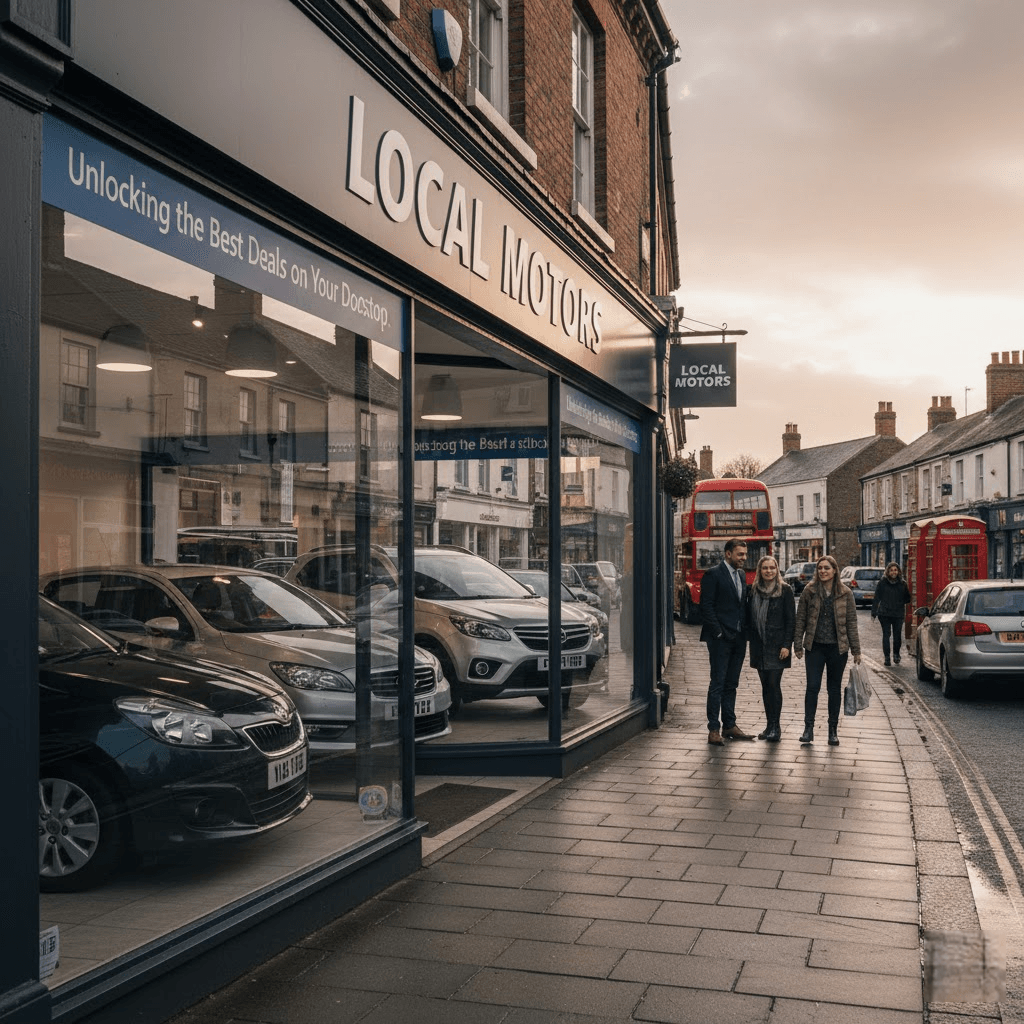
In an age where you can order a car from your smartphone, the physical inspection remains king. Searching for a car sale near you puts the power back in your hands. When a vehicle is local, you can view it within hours of the listing going live—a crucial factor in a fast-moving market where good stock sells in days, sometimes hours.
Furthermore, buying local builds a bridge for after-sales support. If you purchase a vehicle from a dealership in Leeds but live in Southampton, exercising your warranty rights becomes a logistical nightmare. Buying from a garage ten miles down the road means that if a warning light flickers on a week later, you can simply drive it back and ask them to sort it out. It is about mitigating risk through proximity.
Understanding the Seller: Forecourt vs. Driveway
When you type that search query, you will generally be presented with two distinct types of sellers. Understanding the difference is vital for your consumer rights.
1. The Dealership (Franchise and Independent)
Buying from a trader offers the highest level of protection. Under the Consumer Rights Act 2015, any car sold by a trader must be of satisfactory quality, fit for purpose, and as described. If a fault develops within the first 30 days, you have a statutory right to reject the car for a full refund. Between 30 days and six months, the dealer has one chance to repair the fault; if they fail, you are entitled to a refund (though they may make a deduction for usage).
Dealers often charge a premium for this peace of mind. They have overheads, VAT, and preparation costs. However, that extra £500 to £1,000 often covers a fresh MOT, a service, and a warranty.
2. The Private Seller
Private listings found on Facebook Marketplace, Gumtree, or Nextdoor are where the bargains live. You are cutting out the middleman. However, the rule here is caveat emptor—buyer beware. A private seller is not liable for faults that appear after the sale unless they explicitly lied about the car’s condition (misrepresentation).
If you buy a car privately and the clutch fails on the way home, that is your problem, not theirs. Consequently, private sales require a much higher level of diligence regarding mechanical checks and history verification.
The Digital Hunt: Where to look locally
While the goal is a local purchase, the search almost always begins digitally. To filter for the best results locally, you need to move beyond a simple Google search.
- AutoTrader: The titan of the UK market. Use the radius filter aggressively. Set it to 10 or 20 miles to start. This captures both dealers and private sellers who are serious enough to pay for an ad.
- Facebook Marketplace: It has become the Wild West of car sales. It is brilliant for cheap run-arounds and project cars. However, be wary of profiles created a week ago with no friends. Scams are prevalent here. Always check the seller’s commerce profile rating.
- Motors.co.uk and Gumtree: These often host inventory that isn’t on AutoTrader. Smaller independent garages often use these platforms because the advertising fees are lower, meaning the car might be slightly cheaper.
- Local Facebook Community Groups: Often overlooked. A post in your local “Spotted” or community group asking if anyone is selling a car can yield results from neighbours who haven’t got around to advertising yet. These are often the most honest cars you will find.
The Paperwork Audit: Don’t buy a ghost
Before you even look at the tyre tread, you must inspect the paperwork. In the UK, a car’s paper trail tells you more than the odometer ever will. If a seller makes excuses about missing documents, walk away.
The V5C (Logbook)
Never buy a car without seeing the V5C logbook. It proves who the registered keeper is (though not necessarily the legal owner). Check that the Vehicle Identification Number (VIN) on the V5C matches the VIN stamped on the car’s chassis (usually found at the base of the windscreen or on the door pillar).
Also, check the “Doc Ref No” date. If it’s very recent, ask why. It might just be a change of address, or the seller might be flipping the car quickly, which could indicate it has a fault they are trying to offload.
The MOT History
This is the most powerful free tool at your disposal. Visit the GOV.UK check MOT history service. You only need the registration number. Look for:
- Failures: Frequent failures on suspension or brakes suggest a car that hasn’t been maintained, only fixed when forced.
- Advisories: These are gold dust. If the last MOT listed “brake pipes corroded” or “tyres close to legal limit” as advisories, check if they have been done. If not, you have a bargaining chip to knock hundreds off the price.
- Mileage discrepancies: Does the mileage go up consistently? If it drops (e.g., 80,000 miles in 2021 and 60,000 in 2022), the car has been “clocked.”
The HPI Check
For the cost of a few coffees (around £10-£20), a text or online data check is non-negotiable. This checks for:
- Outstanding Finance: If the previous owner owes money on the car, the finance company owns it, not you. They can repossess it from your driveway.
- Write-off categories: Is it a Cat S (structural damage repaired) or Cat N (non-structural)? These cars are cheaper but harder to insure and sell later.
- Stolen markers: Self-explanatory. You do not want to buy a stolen vehicle.
The Physical Inspection: Beyond the paintwork
You have found a car sale near you, the history looks okay, and you are standing on the driveway. Now, you need to look past the shiny wax job. Bring a torch and, if possible, a knowledgeable friend.
Bodywork and Rust
In the UK, salt on the roads in winter is a car killer. Check the wheel arches and sills (the metal under the doors). Bubbling paint indicates rust underneath. Look at the panel gaps; inconsistent gaps often indicate the car has been in a crash and poorly repaired.
The Tyres
Tyres tell a story. Are they a premium brand like Michelin or Pirelli, or “ditch-finders” you have never heard of? If a seller skimps on tyres—the only thing connecting the car to the road—they have likely skimped on oil changes and servicing too. Check the tread depth (legal minimum is 1.6mm, but you want at least 3mm) and check for uneven wear, which suggests tracking issues.
The Engine Bay
You don’t need to be a mechanic to spot trouble.
The “Mayo” Check: Unscrew the oil filler cap. If you see a creamy, white sludge (resembling mayonnaise), it indicates coolant is mixing with oil. This usually means a blown head gasket—a catastrophic and expensive failure.
Fluids: Are the coolant and brake fluid levels within the “min” and “max” lines? Dark, dirty brake fluid suggests it hasn’t been changed in years.
The Test Drive: A British Road Assessment
Never buy a car without driving it. And don’t just drive it around the block. You need a mix of driving conditions. Ensure you are insured to drive it (many comprehensive policies allow you to drive other cars with third-party cover, but check your certificate).
1. The Cold Start: Ask the seller not to warm the car up before you arrive. Feel the bonnet. If it’s hot, be suspicious. Many engine rattles and smoking issues only show up when the engine is stone cold.
2. The Clutch Bite: On a manual car, put it in a high gear at low speed and accelerate. If the revs rise but the speed doesn’t, the clutch is slipping. Find a hill; the handbrake should hold the car firmly without needing to be pulled to the roof.
3. Speed Bumps and Pot Holes: Listen for clunks and knocks. Suspension arms and bushes take a beating on UK roads. A knocking sound usually means a replacement is imminent.
4. The Steering: It should be straight. If you let go of the wheel (safely) on a flat road, does it pull to the left or right? This could be simple wheel alignment or structural damage.
The ULEZ and Clean Air Zone Factor
In recent years, the geography of “car sales near me” has been complicated by Clean Air Zones (CAZ) and the Ultra Low Emission Zone (ULEZ) in London. Even if you don’t live in London, zones are active or planned in cities like Birmingham, Bristol, Oxford, and Glasgow.
If you are buying a diesel, this is critical. Generally, diesel cars registered before September 2015 (Euro 6 standard) will face daily charges to enter these zones. Petrol cars are generally safe if registered after 2005 (Euro 4). Buying a non-compliant diesel locally might seem like a bargain—prices have dropped—but if your daily commute takes you through a zone, it is a false economy. Always check the registration on the TFL or government CAZ checker before buying.
Negotiation: The British Art of the Haggle
British people are famously polite, which often makes haggling feel awkward. However, the price listed is rarely the final price. Dealers usually build in a margin for negotiation.
The Strategy: Do not just ask for a discount. Justify it. Use the flaws you found during your inspection. “I like the car, but it needs two new tyres soon and there is a scratch on the bumper. I’m happy to take it today, but I’d be looking to pay £5,500 rather than £6,000.”
Silence is your friend. Make your offer and wait. If buying from a dealer, ask for extras if they won’t budge on price. A full tank of fuel, 12 months Road Tax, or a fresh service can be worth as much as a cash discount.
Payment and Scams
The moment money changes hands is the highest risk point.
Cash: Fine for cheap cars (£1,000 or less), but carrying large amounts of cash is risky.
Bank Transfer: The standard for modern transactions. Faster Payments mean the money usually clears instantly. Do not hand over the keys or the V5C green slip until the money is visible in your account.
The “Remote” Scam: If a seller says they are abroad and will use a shipping company to send the car, run. This is the most common scam on the internet. If you cannot see the car and the seller in person, do not transfer a penny.
The Post-Sale Ritual
Once the deal is done, you cannot simply drive off. The days of the “tax disc” are gone, meaning tax does not transfer with the vehicle. The moment the V5C is signed over, the car is untaxed.
You must tax the vehicle immediately using the “New Keeper” slip (V5C/2) reference number. This can be done on your phone in two minutes via the GOV.UK website. You also need to ensure your insurance is active from that exact time. Automatic Number Plate Recognition (ANPR) cameras are everywhere, and driving an untaxed, uninsured car home is the quickest way to get points on your licence and your new car seized.
Conclusion: The Reward of Diligence
Searching for a “car sale near me” is the start of a journey that requires a blend of optimism and skepticism. The UK used car market is vibrant and full of high-quality vehicles, but it rewards those who do their homework. By prioritising the paperwork, conducting a thorough physical inspection, and understanding the specific local constraints like ULEZ, you can secure a vehicle that serves you well.
Buying local not only supports local businesses and keeps money in your community, but it also gives you the practical security of having the seller within reach. So, fire up the search engines, check the MOT histories, and happy hunting. Your perfect next car is likely parked just a few streets away.